

Summarize This Article With AI
 Try with ChatGPT
 Try with Claude
 Try with AI Mode
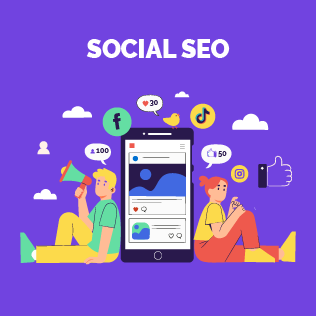
Here’s a stat that’ll make even the most die-hard SEOs blink twice:
46% of Gen Z now skips Google entirely when they’re looking for answers.
Instead? They go straight to TikTok, Instagram, and YouTube.
That’s not just a quirky generational habit; it’s a seismic shift in how people search.
They’re not browsing blue links anymore. They’re searching inside social apps. They want video results, creator opinions, and community-validated recommendations — and they want them now.
The Problem?
Most SEO strategies aren’t built for this. If your entire SEO plan revolves around ranking blog posts on Google… you’re missing where your audience is actually searching.
Social search isn’t a side quest. It’s not “extra visibility.” It’s the new front page of the internet.
And here’s where it gets tasty:
Social content doesn’t just rank inside platforms like TikTok or Instagram, it’s showing up in Google, Bing, and even AI Overviews.
So if you optimize it right, you can rank everywhere.
The Answer?
Social SEO.
Social SEO is about making your social media content discoverable, searchable, and rank-worthy — across both the platforms themselves and external search engines.
This guide is your ultimate roadmap.
I’ll walk you through the exact strategies we use to get TikToks ranking in Google, LinkedIn posts showing up for branded queries, and Instagram Reels popping up in AI-driven search.
We’ll break it down platform by platform, and show you how to connect the dots into a Search Everywhere Optimization system that drives visibility far beyond your follower count.
Let’s dive in.
How does your website score? Get a free instant audit that will uncover the biggest SEO issues affecting your site, and how to fix them.
Article Summary
- Social SEO is optimizing your social media profiles and content to rank higher in social platform searches and appear in Google search results.
- Nearly half of Gen Z prefer searching for brands and products directly on social media platforms like TikTok, Instagram, and YouTube.
- Social SEO differs from traditional SEO by focusing on engagement metrics, visual content quality, trending topics, and platform-specific algorithms.
- Optimizing profiles with consistent branding, relevant keywords, and complete business information boosts both social and traditional search visibility.
- Creating content pillars and using keyword research tailored to each social platform improves discoverability and audience targeting.
- Short-form video content, proper alt text, captions, and strategic link management are essential for maximizing social SEO impact.
- Monitoring performance with platform analytics and adapting to trends like voice search and social commerce will keep your social SEO strategy effective.
What Is Social SEO and Why It Matters Right Now
At its core, Social SEO is the practice of optimizing your content and profiles on platforms like TikTok, Instagram, LinkedIn, and YouTube so that they show up in searches — not just in Google, but inside those social platforms — where users are actively hunting for answers, inspiration, and products.
Unlike traditional SEO, which relies on backlinks and technical tweaks, social platforms rank content based on things like engagement, format, and freshness. It’s less about your domain authority and more about:
Is this content helpful, relevant, and worth watching right now?
But here’s the thing…
When done right, a single piece of content can rank inside a social platform and show up in Google search results.
That’s double the visibility, for the same piece of content without needing a blog, backlink, or even a website.

Social Platforms Are Now Search Engines
Let’s play it out.
Someone searches “how to make sourdough” on TikTok. They’re not getting blogs or recipes. They’re getting short-form videos with clear visuals and immediate value. Now imagine that same video is optimized well enough to appear in TikTok search, and in Google’s Short Videos carousel.
That’s what Social SEO does. And that’s why it matters.
The numbers back it up:
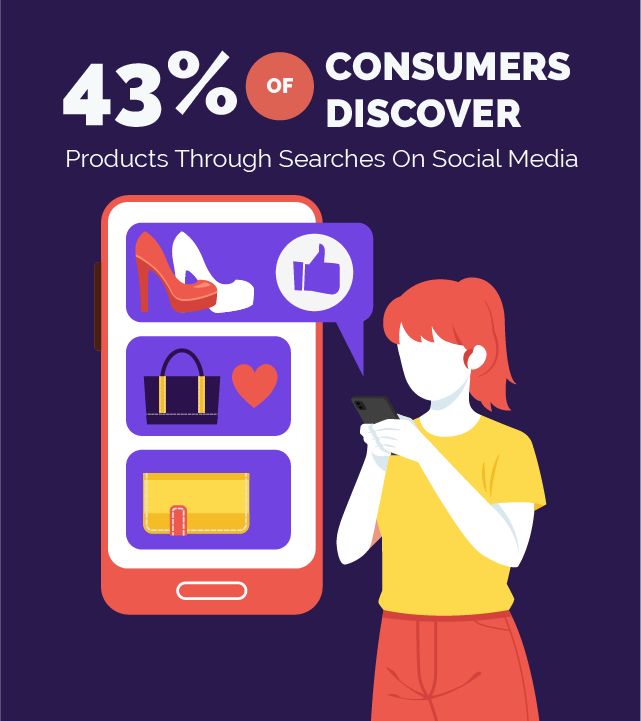
43% of consumers now discover products through searches on social media. That’s not passive scrolling; it’s intent-driven discovery. These are people looking for solutions, recommendations, and ideas. And if your content doesn’t show up there, someone else’s will.
How Social SEO Differs from Traditional SEO
Let’s break it down.
Traditional SEO prioritizes things like:
- Backlinks and domain authority
- Long-form content and keyword targeting
- Page speed and technical site health
- Time-on-page, bounce rate, and dwell time
Social SEO, on the other hand, is driven by:
- Engagement signals (likes, shares, saves, comments)
- Visual content quality — especially vertical video
- Relevance to trending topics and timely conversations
- Smart hashtag use and searchable captions
- How long people watch, save, and return to your content
In other words? It’s about performance in the feed, not position in the SERP.
That’s why a brand-new account with a single well-optimized Reel or TikTok can outperform huge legacy brands. If the content is better and more aligned with what the platform rewards.
Social SEO Levels the Playing Field
- You don’t need a decade-old domain.
- You don’t need 100 backlinks.
- You don’t need 5,000 words of long-form content.
You need value-driven, searchable content that aligns with how people actually search on social media and what each platform’s algorithm wants to surface right now.
That’s what this guide is here to help you build.
How Social Media Became a Search Engine (And Why It’s Better Than Google at Some Things)
The UX Shift: From Feed to Find
Social media was once just a scrolling addiction — an endless stream of brunch pics and dance trends. But now? It’s where people go to search.
And the platforms know it.
TikTok didn’t just tack on a search bar. It’s actively positioning itself as a video-first search engine, where users come with intent. Instagram’s Explore tab now behaves more like Pinterest-meets-Google, surfacing content based on search behavior, keywords, and past interactions. Even LinkedIn quietly rolled out searchable post previews and keyword-matching updates to turn engagement into indexed content.
What started as a feed is now an engine. What started as entertainment is now education, comparison, and decision-making.
It’s Not Just Search, It’s How People Search Now
Gen Z and younger millennials aren’t just passively consuming social content; they’re actively searching for it.
Need proof?
- 21% of Gen Z starts brand research on social media, not Google
- 44% discover new brands on social platforms every single day
- TikTok dominates “how to” queries in lifestyle, beauty, and food
- Instagram is now a top source for local discovery from salons to sandwich shops
These platforms are no longer secondary to search. They are the search.
And unlike Google, social search serves up answers that are visual, personal, and community-tested.
If someone searches “how to meal prep for weight loss” on TikTok, they don’t want a 3,000-word blog post with stock images. They want a creator showing the meals, containers, and grocery list in 60 seconds or less.
This is intent-driven discovery, happening in real-time, with real people.
Platform Breakdown: How Social Search Actually Works
TikTok: The Visual Google for Gen Z
TikTok’s search functionality isn’t surface-level. It’s deep, dynamic, and constantly evolving.
When you search on TikTok, the algorithm pulls from:
- Caption keywords
- Spoken words (yes, it transcribes your audio)
- Hashtags
- Engagement signals (saves, replays, comments)
That means your on-screen text, voiceover, and hook aren’t just content, they’re search signals. And when optimized correctly? Your video can appear in TikTok search and Google’s short video carousel. That’s dual-indexing gold.

YouTube Shorts: Search-First from Day One
YouTube has always been a search engine. Shorts simply gave it the format upgrade to compete with TikTok.
It’s fast, mobile-first, and fully backed by Google’s infrastructure. Since YouTube Shorts show up in both YouTube and Google results, optimizing your titles, transcripts, and tags means you’re building long-term visibility, not just fleeting reach.
Instagram Reels: From Feed Filler to Discovery Engine
Reels used to be bonus content. Now they’re a core part of Instagram’s discovery ecosystem.
Reels appear in Explore, on profile tabs, and — crucially — in search results. For local businesses and product-based brands, Instagram now rivals traditional search engines for discoverability. Especially when paired with strong location tags and UGC.
Why It Works: Social Search Feels Real
Here’s what traditional search can’t compete with: personality.
When users search for skincare advice, they don’t want a faceless product review. They want someone showing their morning routine with real products on real skin.
When they search for restaurant recommendations, they don’t want a Yelp listing — they want someone walking through the door, showing the food, the vibes, and the actual portion sizes.
Social search delivers creator-powered, community-backed results. It’s raw, relevant, and visual. And when you nail your Social SEO strategy, your content doesn’t just rank. It resonates.
Social Content Appearing in Google Search
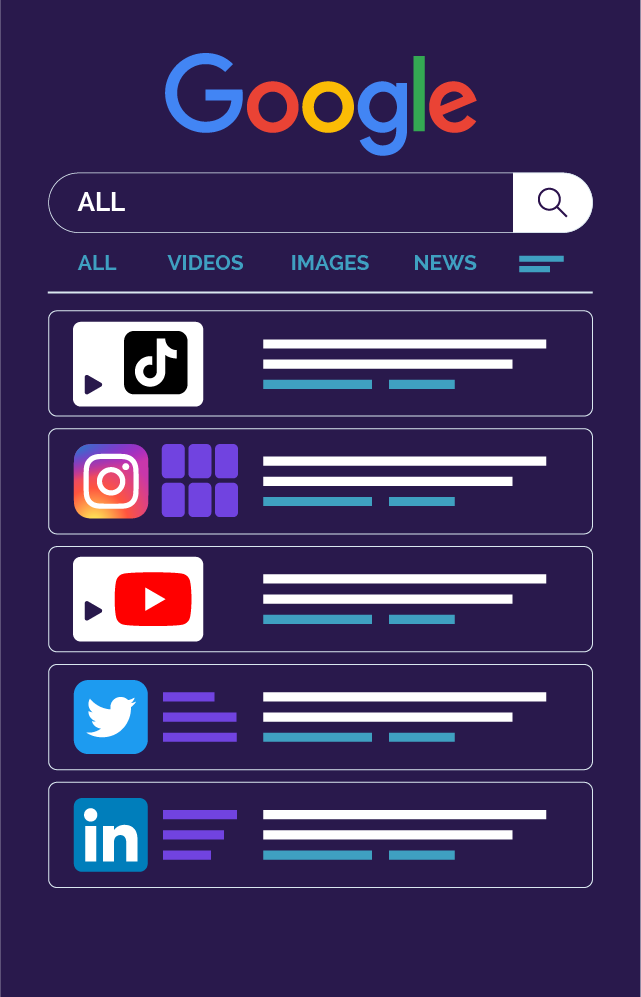
Here’s where social SEO gets really powerful: Google is increasingly indexing and displaying social media posts directly in search results.
Google Indexing Social Media Posts and Profiles
Google now regularly displays:
- TikTok videos in search results and the Short Videos tab
- Instagram posts and Stories (for public accounts)
- YouTube Shorts prominently in video search results
- Twitter/X threads and individual tweets
- LinkedIn posts, especially from verified professionals
This means your social media content has multiple pathways to visibility. A well-optimized Instagram post about “small business marketing tips” could appear when someone searches that term on Instagram AND when they Google it.
Instagram Profile Optimization for Search Engine Results Pages
Instagram profiles with complete business information, relevant keywords in bios, and consistent posting often rank in Google search results for branded queries. When someone searches your business name, your Instagram profile might appear alongside your website in the search results.
To optimize your Instagram profile for Google visibility:
- Complete all profile fields, including contact information and business category
- Include relevant keywords in your bio naturally
- Maintain consistent posting with keyword-rich captions
- Use location tags for local SEO benefits
- Link to your website and maintain consistent branding
Rich Snippets from YouTube and Twitter/X
YouTube videos often appear as rich snippets in Google search results, complete with thumbnail images, duration, and channel information. Twitter/X threads and individual tweets can appear for trending topics and real-time queries.
This integration gives you multiple opportunities to capture search traffic for the same keywords across different content formats and platforms.
How to Optimize Social Content for Search
So, you’re creating scroll-stopping content; but is it optimized to show up?
If you want your content to surface across search engine results pages, social media platforms, and even inside Google Search, you need more than a solid hook. You need a social SEO strategy that connects your content ecosystem — from your Instagram grid to your LinkedIn posts to your TikTok bio.
Here’s how to make your social media content not just perform in the feed, but rank across search engines, social platforms, and beyond.
Strategic Link Management: Strengthen the Web Around Your Brand
Your social media accounts aren’t isolated. They’re nodes in your digital network — and every link you use is a signal to search engines about what connects to what.
Too many brands treat links as temporary: changing bios weekly to promote the latest post or offer. But that chaos confuses crawlers. Instead, keep your link structure consistent and strategic.
Use tools like Linktree, Hootbio, or custom link hubs to give your target audience one centralized entry point across all social media networks. This not only boosts website traffic, it creates a unified footprint that’s easier for search engines to follow.
Want bonus points? Use UTM parameters to track performance, and where possible, choose tools that allow do-follow links to pass SEO authority from your social media channels back to your site.
This is about more than usability — it’s about building a network of relevance that supports both your search engine optimization and your social media management efforts.
Visual Optimization: Let Your Content Speak Before They Click
On social media platforms, your visuals are your first impression and they often show up in search results before your captions ever get read.
But here’s the twist: Your visuals are also searchable.
Optimizing your images and thumbnails with relevant keywords, brand consistency, and accessibility best practices makes your social media posts more discoverable on both traditional search engines and the platforms themselves.
Here’s what smart visual optimization looks like:
- High-quality images that reflect your brand’s visual identity across all social media accounts
- Clear, bold profile photos that stand out in crowded search engine results
- Branded cover images that signal authority in your niche or expertise area
- Keyword-rich image file names and custom alt text that reinforce your target keywords
This doesn’t just help with discoverability, it’s a key part of building trust. When your brand is visually consistent across every touchpoint, users recognize you faster and click more often.
Verification and Trust Signals: Show Up Like a Real Brand
In today’s digital marketing landscape, trust is visibility. And nowhere is that more obvious than in how social media platforms treat verified and credible accounts.
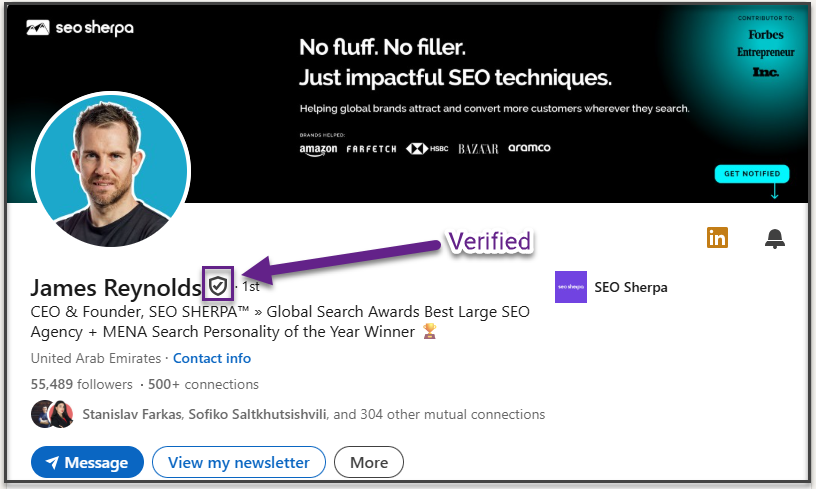
Verification badges — especially Meta Verified and LinkedIn verification — signal trust to both users and search engines. They increase your chances of appearing in Google search results, social Explore tabs, and search queries tied to branded terms.
But even if you’re not verified, you can still boost your credibility in search.
Start by making sure your business information is complete, accurate, and consistent across every profile. That includes bios, email addresses, phone numbers, and links. It also includes using the same tone, visuals, and messaging across all your other social media platforms.
Then show up consistently. Posting regularly and engaging with your audience builds engagement signals. Something every social media platform (and some search engines) prioritize when determining what content to recommend.
Lastly, back it up with high quality content. Whether it’s a trending Reel, a tutorial thread, or a step-by-step guide, you need to create content that delivers real value and clearly aligns with user intent. That’s what turns casual scrollers into loyal followers — and loyal followers into search visibility across every platform.
Content Strategy for Social SEO Success
Let’s be clear:
An optimized profile isn’t a strategy. It’s the bare minimum.
If you want to actually rank on TikTok, show up in Google from Instagram Reels, or build brand authority on Pinterest, you need a content strategy that mirrors how people search on each platform. That means ditching old-school keyword spreadsheets and building a system that blends search intent, platform behavior, and your brand’s core messaging.
Here’s how to do it.
Rethinking Keyword Research for Social Platforms
Social search doesn’t work like traditional SEO. You’re not just chasing high-volume keywords — you’re tapping into how real people speak, search, and swipe.
That’s why the best keyword research for social SEO starts inside the platforms themselves. TikTok’s Creative Center, Instagram’s search bar suggestions, YouTube’s autocomplete, LinkedIn’s trending content prompts, and Pinterest Trends all reveal exactly what users are typing in real time. And those aren’t just keywords — they’re intent-rich micro-moments your content can answer.
Here’s the mindset shift: You’re not optimizing for robots. You’re optimizing for how someone might say it out loud to a voice assistant — or type it half-asleep into a search bar at 11 PM.
“Easy high-protein snacks”
“LinkedIn headline tips for 2025”
“Best sunscreen for oily skin TikTok”
These are gold. And they’re what most brands ignore while chasing the same stale blog keywords from five years ago.
Bonus Tip: Don’t just research once. Platforms evolve fast. Build keyword discovery into your social media management routine, not just your blog planning.
Content Pillars: Build Around Intent, Not Just Aesthetics
If keyword research tells you what your audience is searching for, your content pillars tell you what to consistently show up for.
Forget generic grids and random ideas. The brands dominating social media SEO have 3–5 clear content themes that ladder up to their expertise and are tightly aligned with target keywords. These pillars help both people and algorithms understand what you’re about — and why you’re worth ranking.
Say you’re a fitness brand. You don’t just post “fitness tips.” You build a system around:
- Home workouts (think “no equipment exercises,” “10-minute abs”)
- Nutrition (“high protein vegan meals,” “easy meal prep”)
- Recovery and wellness (“foam rolling for runners,” “best magnesium for sleep”)
Each of these becomes a repeatable framework. You plug in new content regularly, use consistent language, and slowly train both your audience and the platform that this is your niche.
Optimized Post Creation: Don’t Just Post, Plan for Discovery
Too many brands still create content first, then try to “optimize it” after the fact. But if you want to be visible in social search, you have to flip that process.
Start each post by anchoring it to a keyword cluster or a trending query you’ve already researched. Then design the content with that intent baked in — from the hook, to the caption, to the visuals.
A well-optimized post weaves the keyword naturally into the caption, includes a few relevant hashtags that echo the topic, and uses on-screen text or spoken words that reinforce the theme. Bonus points if you include location tags to tap into local SEO which are especially useful for Instagram, TikTok, and Pinterest.
And please, avoid keyword stuffing.
It’s not just bad form, it’s algorithm poison. Platforms like TikTok and Instagram know when you’re gaming the system. Your goal is to create high quality content that speaks your audience’s language and matches their search intent without sounding like a keyword salad.
Accessibility and Technical Optimization: The Invisible Edge
Let’s talk about the part of social media SEO that most marketers completely overlook: the technical layer.
Yes, even on Instagram and TikTok, technical optimization matters. It helps with search engine indexing, improves user experience, and signals quality to both the platform and external search engines like Google.
Every image you upload should include alt text that describes the content clearly. Using natural phrasing, not keyword spam. Every video should have closed captions, whether auto-generated or uploaded manually. These don’t just make your content more accessible (which it absolutely should be) they make it indexable by social platforms and external crawlers.
Also, pay attention to file optimization. Compress your media to load quickly, but never sacrifice clarity. Blurry content performs poorly everywhere.
And when naming your files before upload, use real words: social-seo-strategy.png beats IMG_0745.JPG every time, especially if you want to increase your odds of showing up in Google Search results or image tabs.
The bottom line? Accessibility isn’t just a nice-to-have. It’s a ranking factor, both inside social media platforms and across broader search engine results pages.
Platform-Specific Social SEO Tactics
Let’s be real:
Every social platform speaks its own language. What works on Instagram won’t land the same on TikTok, and LinkedIn content doesn’t exactly go viral with trending audio. To succeed, you need to tailor your approach to each platform’s unique algorithm and user search behavior.
Instagram SEO: It’s More Than Just Hashtags Now
Instagram’s search function has grown up. It’s no longer just about spamming #motivation or #fitnessgoals and hoping for the best. Today, Instagram reads everything — your captions, your alt text, the words on your image, and even the context of your comments.
To get your content discovered, you need to write captions that use keywords naturally, almost like you’re writing mini blog posts for your audience. Sprinkle in a few trending or niche-specific hashtags to boost reach, but skip the hashtag stuffing — it won’t help your rankings and might actually tank your engagement.
The real kicker? Reels are now showing up not just in Instagram’s Explore tab, but in Google’s short video carousel too. That means your short form video content on Instagram can rank in both app-based and traditional search engine results. So if you’ve been ignoring Reels or just reposting without optimization, it’s time to rethink your game plan.

TikTok SEO: The New Front Page for “How To”
If Instagram is evolving into a visual search engine, TikTok is already there and eating Google’s lunch for “how-to” queries and lifestyle recommendations. The TikTok algorithm doesn’t just consider what’s in your caption. It indexes your spoken words, your text overlays, your hashtags, and even the sounds and effects you’re using.
What does that mean for you?
Every video you post is a chance to rank for a specific search query if you structure it right.
Start with conversational keywords that mirror how people speak into voice search. “How do I make high-protein snacks for work?” is precisely the kind of phrase your content should match, both in what you say and what you write.
If you want to win in TikTok’s search, skip the fluff. Get straight to the answer, include keywords naturally in your hook, and don’t underestimate the power of on-screen text. TikTok’s system can’t crawl your brain, but it can crawl your captions.
YouTube SEO: Where Social SEO Meets Traditional SEO
YouTube is the bridge between social content and search-first strategy. It behaves like a social platform on the surface, but underneath, it’s still a search engine through and through. Which means everything you publish needs to follow SEO best practices — but adapted for YouTube’s engagement-focused ecosystem.
Titles matter a lot. But instead of just jamming in keywords, aim for clarity and intent. “SEO Tips” is vague. “How to Create a Social SEO Strategy That Ranks in 2025” tells both people and algorithms what to expect. Combine that with a strong thumbnail and a value-packed description, and you’ve got a solid shot at showing up in both YouTube search results and Google’s video results page.
And let’s not forget Shorts. These aren’t just TikTok clones; they’re indexed, discoverable, and extremely effective at reaching mobile-first users who are actively searching with quick intent. Just like with TikTok, your voiceover, caption, and hashtags all influence discoverability. So use them wisely.

LinkedIn SEO: B2B Social Search, Evolved
If you’re in the B2B space and not treating LinkedIn like a search engine, you’re missing massive visibility. LinkedIn doesn’t just surface posts by recency, it ranks content based on topic, industry relevance, and engagement. That means every time you post, you’re contributing to your brand’s visibility not just in feeds, but in search.
Here’s the play: Make sure your personal and company bios include your primary industry keywords, and that your posts — whether they’re casual updates or full-blown LinkedIn Articles — use those keywords naturally in the first few lines. Not because LinkedIn loves SEO, but because Google does. Optimized LinkedIn posts can and do show up in Google Search for branded, topical, and industry queries.
The more consistent your language, the easier it is for search engines to understand your expertise — and the more likely you are to build authority across both traditional SEO and social media SEO ecosystems.

Pinterest SEO: The Visual Search Engine You’re Probably Ignoring
Pinterest isn’t just a mood board app. It’s one of the most underutilized visual search engines on the planet.
The platform is built entirely around intent-driven discovery, and it’s especially powerful for e-commerce, DIY, lifestyle, and planning-related content.
If you’re pinning content without optimized titles, keyword-rich descriptions, and relevant boards, you’re basically whispering into the void. Pinterest needs clarity. That means descriptive filenames for your image assets, thoughtful pin text that matches real user queries, and consistent pinning that reinforces your content themes.
Unlike other platforms, Pinterest content doesn’t disappear in 48 hours. It grows.
A single well-optimized pin can drive traffic for months or even years. That’s the kind of long-term value most social media marketers only dream of.

Reddit SEO: Ranking in the World’s Favorite Forum
If TikTok is where Gen Z goes for product demos, Reddit is where millennials and seasoned internet nerds go for honest reviews, deep dives, and brutally real opinions.
And guess what?
Google loves Reddit.
Reddit threads regularly rank at the top of the SERP for everything from “best laptops for college” to “how to survive a toddler with opinions.“
Want to get visibility here? Your content needs to be community-first, not brand-first.
Join relevant subreddits, offer helpful insights, and link sparingly. Reddit users smell promotion from a mile away.
But when done right, your Reddit comments and threads can drive traffic and appear in Featured Snippets. Reddit isn’t just a forum. It’s an SERP in its own right.

Rednote SEO: Your Micro-Audio Leaves a Macro Impression
Rednote is where short-form audio meets emotional micro-content and it’s starting to show up in Google’s discovery tabs, especially for music-related queries and sound-driven searches.
If your brand is in wellness, music, lifestyle, or anywhere storytelling through voice matters, Rednote is a powerful niche platform to optimize for.
Think about searchable titles, smart hashtags, and emotional resonance that encourages sharing.
Voice snippets with contextual keywords? That’s the audio equivalent of alt text.

Mastodon SEO: Decentralized, But Still Discoverable
Mastodon isn’t your typical algorithm-driven feed. It’s federated, niche, and beautifully chaotic. But that doesn’t mean it can’t be part of your social SEO strategy.
Each Mastodon instance has its own search visibility and indexing rules, but public posts can be crawled by Google.
Want to show up? Keep your posts public, use descriptive hashtags sparingly, and link to your site with context-rich captions.
Don’t treat Mastodon like Twitter 2.0. It’s more like slow social with long-term search benefits.

Bluesky SEO: Early Adoption, Early Advantage
Bluesky might still be invite-only, but it’s rapidly building a loyal, tech-savvy community and its AT Protocol is built with discoverability in mind.
While traditional SEO hasn’t fully caught up with Bluesky indexing yet, now is the time to secure your presence.
Post publicly, engage with trending topics, and use relevant language and consistent branding across your profile.
Early adopters are shaping the search landscape here and your content could become foundational as the platform evolves.

Advanced Social SEO Techniques
Once you’ve got your profiles optimized and your keyword strategy dialed in, it’s time to level up. These advanced tactics aren’t just about doing more, they’re about doing smarter. Because social SEO isn’t just about discoverability anymore, it’s about dominance.
Here’s how to get there.
Optimize Video Content for Search Engines and Social Feeds
Short-form video isn’t just trending — it’s taking over the SERP.
Platforms like TikTok, Instagram Reels, and YouTube Shorts aren’t just surfacing in-app anymore — they’re making their way into Google Search results via the Short Videos tab. That means your video content isn’t just for social — it’s now a gateway into traditional search visibility too.
To tap into that, your videos need to do more than entertain. They need to signal relevance from every angle. That starts with using target keyword phrases in your titles, descriptions, and even your spoken content — yes, those captions are transcribed and crawled by both social algorithms and Google bots.
Reinforce those themes with on-screen text overlays and thumbnail optimization that makes your videos click-worthy even in non-social environments. Think about video like a blog post: What’s the hook, the keyword focus, the engagement trigger?
And don’t just post once. Create video series around key topic clusters.
Repurpose your best long-form content into bite-sized reels or Shorts that lead with search intent.
This isn’t about going viral. It’s about getting found again and again.
Repurpose Like a Pro Across Every Platform
You don’t need to create more content. You need to create better systems.
A single well-researched, high-performing post can fuel your entire social media strategy when repurposed properly. The trick is in knowing how to adjust tone, format, and keyword focus depending on the platform.
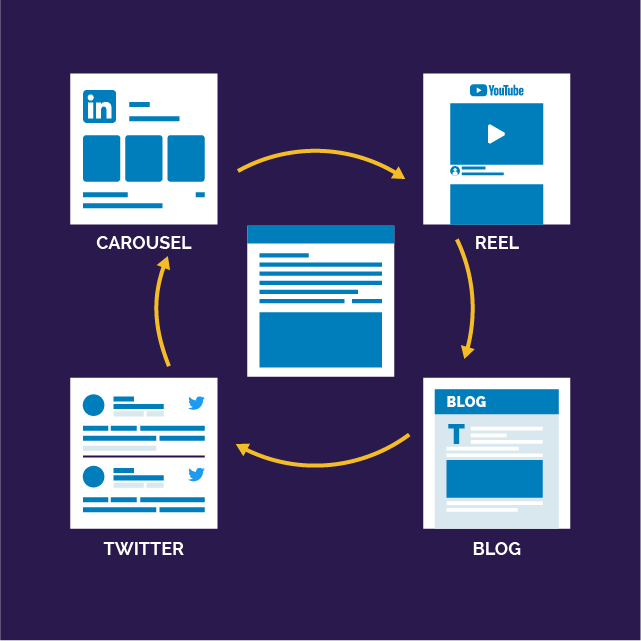
Break a blog post into a carousel for LinkedIn. Turn your LinkedIn post into a Reel. Pull the hook from your Reel and turn it into a tweet. Add alt text, location tags, or a new SEO keyword variation to align each version with that platform’s best practices.
The core message stays the same, but the packaging shifts — each version targeting a slightly different query, audience, or algorithmic sweet spot.
This kind of cross-platform optimization doesn’t just save time. It builds topical authority, boosts organic traffic, and helps you dominate SERPs and social feeds from multiple angles. It’s not content recycling, it’s content expansion.
Collaborate for Reach, Rankings, and Relevance
Influencer partnerships aren’t just for lifestyle brands anymore. They’re a hidden weapon for social SEO and authority building.
Here’s why: Creators often already rank in-platform for key terms your audience is searching. By collaborating with the right influencers — especially those who own real estate in your niche — you can leapfrog traditional growth and tap into audiences who already trust their recommendations.
But this isn’t about transactional shoutouts. The goal is strategic collaboration.
Work with creators to co-develop content that targets long tail keywords or emerging trends. Encourage cross-tagging, story sharing, and dual-publishing on different platforms to increase surface area.
And when those creators naturally link back to your profiles or website, you’re building not just exposure, but valuable backlinks and social proof signals that help with both search engine optimization and visibility across social media networks.
Don’t underestimate the power of user-generated content, either. When customers post about your brand and tag you, those posts contribute to your digital footprint. Mainly when they include searchable terms or branded keywords.
Use AI Strategically, But Keep It Human
There’s no question: AI tools can supercharge your social SEO strategy when used correctly.
But this isn’t about auto-generating captions and calling it a day. The brands winning right now are using AI to enhance — not replace — their creative process.
Start by automating the tasks that drain your time but don’t need your brain. Use AI to generate alt text with keyword alignment, suggest caption variations around target themes, or surface trending keyword clusters from live platform data.
Then layer in social listening tools that alert you when your brand or niche is being mentioned — helping you hop on conversations and tailor content to actual search behavior, not just theory.
AI can even help you identify which types of content consistently drive the most referral traffic or engagement, so you can double down on formats that are working instead of guessing.
The key is balance. Automation handles the heavy lifting — you bring the nuance, the brand voice, and the strategy.
Measuring and Monitoring Social SEO Performance
Let’s be honest:
If you’re still only tracking keyword rankings and bounce rates, you’re missing half the story.
Social SEO doesn’t live inside a spreadsheet. It lives in your reach, your engagement, and whether or not people are finding you without you shouting into the void.
That means you need to monitor the metrics that actually reflect search behavior on social media platforms and how those behaviors flow into your overall SEO strategy.
Engagement Is the New CTR
Sure, traditional SEO loves a good click-through rate, but on social, engagement is the currency of visibility.
When someone saves your Instagram carousel, watches your Reel to the end, or replays your TikTok three times. That’s a signal to the algorithm that your content is worth discovering.
These aren’t just vanity metrics; they’re indicators that your posts are matching user search intent.
Track things like saves, shares, and profile visits, especially when they spike after posting keyword-targeted content. That follower growth? It’s not just “growth,” it’s search discovery in action. People found you, liked what they saw, and stuck around.
Click-throughs still matter, especially if you drive traffic to a website link. But your time-on-video, comments, and post saves will tell you far more about how well your social media SEO efforts are landing.
Discovery Metrics: Are You Showing Up?
One of the trickiest parts of measuring social SEO is figuring out whether your content is actually being found via search or just riding the algorithm wave. Most social media channels blur the lines between feed visibility and search-driven discovery. But the signals are there if you know where to look.
Use native analytics to track reach from search, not just overall impressions. Platforms like TikTok and Instagram increasingly break down where views are coming from — was it For You feed, profile visit, or search?
Monitor how your hashtags are performing. Are they surfacing your content in Explore? Are they tied to trending search terms in your niche?
And don’t forget to watch your own keyword presence. If you’re consistently publishing around specific terms — like “AI content tools” or “zero-click search strategy” — check whether your content surfaces when you type that into platform search.
You’re not just posting anymore. You’re ranking.
Connect Social SEO to Traditional SEO
Here’s where things get exciting — when your social media content starts contributing to your search engine visibility off-platform.
You’ll want to track how referral traffic flows from social into your site. Are users finding your TikToks and clicking through to long-form guides? Are Reels leading people to your lead magnets or landing pages?
Tools like Google Analytics (especially GA4) and UTM parameters help you track those journeys clearly, and tell you which platforms and content types are pulling their weight.
Also, keep an eye on brand mentions, especially as you grow.
Social listening tools like Brand24, Mention, or Sprout Social can flag when your brand is showing up in conversations that match your target keywords. This gives you insight into how your brand is positioned across the web and whether those mentions are starting to support your broader SEO efforts.
Bonus? Those mentions and shares often lead to natural backlinks, especially when your content is cited in roundups, newsletters, or embedded on other sites. That’s where social SEO quietly reinforces traditional SEO and boosts your authority beyond just rankings.

Make Monitoring Part of the Workflow
Social SEO isn’t static and neither is social search behavior.
Platforms shift, trends emerge, and algorithm updates can wipe out weeks of work if you’re not watching the right signals.
That’s why ongoing tracking isn’t optional. It’s foundational.
Set up a monthly audit. Check what content ranked, what drove clicks, and what tanked. Use that data to refine your content strategy, not just report on it.
Watch competitors. Track emerging hashtags, new keyword clusters, and platform search trends. These insights can help you pivot faster than your competitors and stay visible even as the landscape shifts.
The goal isn’t perfection. It’s responsiveness. Because the brands that win in social SEO aren’t just optimized. They’re adaptive.
Future Trends in Social SEO
Social SEO isn’t a static playbook. It’s a moving target.
In 2025, it’s evolving faster than most marketers can keep up with. From the rise of voice-driven queries to the fusion of shopping, community, and search, staying visible now means thinking beyond traditional optimization. Here’s what’s shaping the next chapter of search and how to get ahead of it.
Voice Search Is Reshaping Discovery
In 2024, it was found that over 31% of users rely on voice assistants weekly to ask questions, search for products, or find recommendations. That behavior is not only growing, but bleeding into how they interact with social media platforms too.
This shift means your content needs to sound more like a conversation than a headline. People aren’t asking “cheap flights London” into their smart speaker. They’re asking Alexa and Siri, “What’s the best way to find cheap flights to London this month?”
That nuance matters.
Optimizing for voice search isn’t about cramming in long-tail phrases. It’s about structuring your content around real questions, giving clear, concise answers, and making sure you’re matching how people speak, not just how they type.
It’s a bonus if you include FAQ-style content or integrate local terms like “near me,” especially if you’re working across location-driven platforms like Instagram or Google.
Social Commerce Will Be a Search Powerhouse
The gap between “I saw this on TikTok” and “I bought it immediately” has officially disappeared.
With TikTok Shop, Instagram Shopping, and Pinterest Product Pins going mainstream, social media content is becoming a searchable storefront.
This isn’t just influencer tags and swipe-up links anymore.
This is full-blown social commerce SEO, and if your product content isn’t optimized for platform search, you’re leaving serious revenue on the table.
You need more than pretty photos. You need keyword-optimized product names, clear descriptions that match search intent, and shoppable videos that show up in both in-app search and Google Search results. Your content isn’t just competing with other ads. It’s competing with tutorials, creator reviews, and trending products in Explore tabs.
The brands that win won’t just look polished. They’ll be the ones who show up first when someone types in “best gift for plant lovers TikTok.”
Social and Traditional Search Are Merging
Let’s call it what it is:
Search Everywhere Optimization is no longer a concept; it’s the reality.
Google is now indexing Instagram Reels, TikTok videos, Reddit threads, LinkedIn posts, you name it.
At the same time, social platforms are rapidly improving their own search infrastructure.
The result?
A completely blended discovery ecosystem where one piece of content can surface across multiple search environments, with or without a traditional blog post backing it up.
This means your social media SEO and your traditional SEO efforts can no longer be separate strategies. Your content planning needs to take into account how something will be found across all channels, whether someone searches inside TikTok or stumbles across your Reel in a Google search result.
And social signals — things like engagement, shares, saves, and mentions — are beginning to influence how search engines measure credibility, even beyond the platform they originated from.
Social content isn’t just part of your funnel anymore. It’s part of your domain authority.
Community-Led Content Is Taking Over the SERP
The algorithms are getting smarter, but also, more human.
That means authentic, community-driven content is outperforming polished, brand-first campaigns. And it’s not just for engagement; it’s showing up in search.
User-generated content (UGC) now plays a direct role in visibility. Whether it’s a customer review in a caption, a tagged product demo, or a stitch from a creator who loves your brand, these real interactions are now algorithmically favored across both social feeds and search results.
So if you’re not already encouraging your community to share, tag, and remix your content, you’re not just missing engagement — you’re missing search presence.
In 2025, community engagement is discoverability.
Not to mention, UGC often includes natural keyword usage. Because users describe products and experiences in their own language. That’s the kind of authentic keyword alignment you can’t manufacture. It just happens when your content is genuinely useful, relevant, and easy to reshare.
Start Dominating Social Search Today
Social SEO isn’t the future. It’s right now.
While most brands are still scrambling to figure out why their content isn’t ranking in Google anymore, savvy marketers are quietly taking over TikTok search, showing up in Reels Explore tabs, and getting cited in Google’s Short Videos carousel.
You? You’ve got the framework. You’ve got the strategy. And now, you’ve got a massive head start.
Whether your audience is asking ChatGPT for recommendations, searching Pinterest for inspiration, or using TikTok like a visual Google, they’re looking for content that speaks their language, answers their questions, and actually shows up when they search.
So here’s what to do next:
- Take a hard look at your current social media content. Is it searchable, optimized, and aligned with platform intent?
- Choose 2–3 platforms where your target audience already spends their time and commit to optimizing content there first.
- Do platform-specific keyword research, and map your results to clear, consistent content pillars that reinforce your authority.
- Post with purpose. Track what works. And refine based on real search behavior, not guesswork.
Social SEO isn’t about chasing algorithms. It’s about building brand visibility that spans platforms, devices, and even AI-generated responses.
And if you want help pulling this all together?
Book a free discovery call with the SEO Sherpa team. We’ll walk you through how to audit your content, build a platform-native SEO strategy, and get your brand ranking across every search environment that matters.

Book your free call now and let’s turn your social content into a search-powered growth engine.
Because your audience is already searching. It’s time they found you.




















Leave a Reply