

Summarize This Article With AI
 Try with ChatGPT
 Try with Claude
 Try with AI Mode
Remember when people thought Bluesky was just another Twitter clone?
Surprise! It’s not.
It’s a decentralized social protocol disguised as a microblogging platform. One that’s gaining traction not just with ex-Twitter loyalists, but with developers, creators, and communities who are building something very different from your usual social feed.
And that difference? It might just be your brand’s next visibility advantage.
With over 22 million users and growing, Bluesky offers an increasingly rich ecosystem for content marketing, digital brand building, and — yes — SEO. While it doesn’t function like traditional search engines, its open protocol (AT Protocol) and federated architecture create new opportunities for searchable content, AI discoverability, and algorithm-free authority building.
In other words: if you’re waiting for Bluesky to “mature” before taking it seriously, you’re already late.
This article will break down:
- How Bluesky’s unique structure changes how we approach SEO
- What content types and behaviors perform best on the platform
- And why Bluesky should be part of your Search Everywhere Optimization strategy, especially as AI tools begin indexing decentralized and open-source networks
Because in a world where Google isn’t the only game in town, and visibility comes from dozens of overlapping platforms, knowing how to optimize for protocols like Bluesky is the edge you didn’t know you needed.
Article Summary
- Bluesky is a rising decentralized platform where SEO, content marketing, and community-building intersect
- Optimizing your profile, bio, and starter packs increases brand recognition and discoverability among new users
- Bluesky content can support your search engine rankings by being indexed across AI tools and search engines like Google
- Website optimization (meta tags, featured images, responsiveness) is critical for converting Bluesky traffic into leads
- Tools like Frase, SurferSEO, Ahrefs, Metricool, Typefully, and SparkToro can supercharge strategy and tracking
- Brands that move early and align Bluesky with their broader digital marketing strategy are positioned to lead, not chase
Setting Up Your Bluesky Account: Brand Protection Meets Search Optimization
Before you post a single word on Bluesky, there’s one thing your team needs to do: secure your handle.
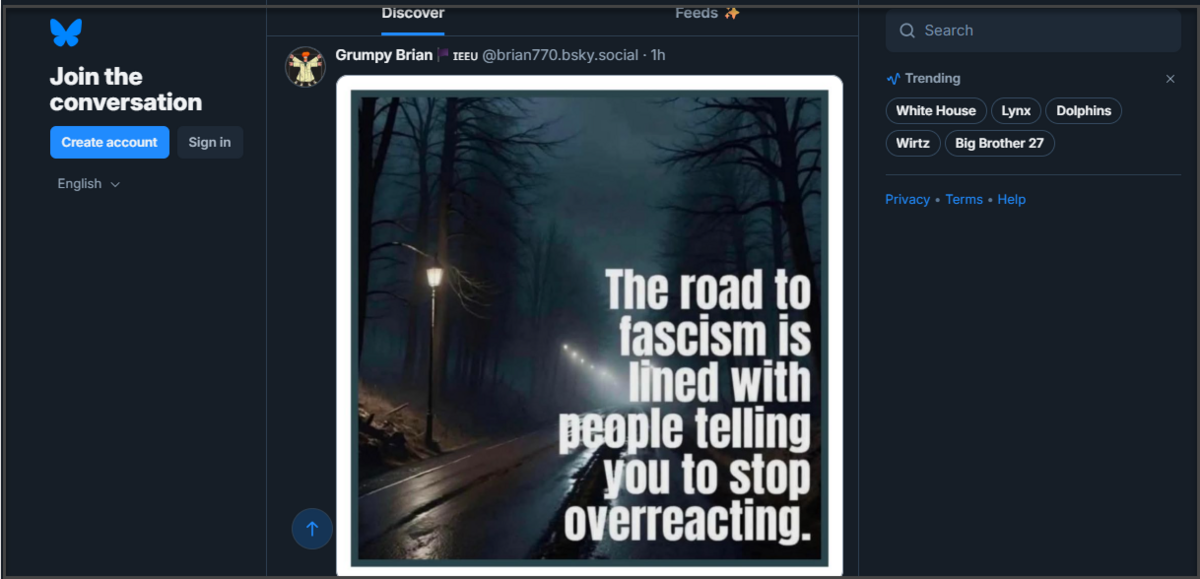
Bluesky may still feel like it’s in the early days, but that’s exactly why claiming your brand username now is non-negotiable. Suppose you wait until Bluesky hits mass adoption. In that case, you run the risk of lookalike accounts, impersonators, or worse, your own brand being misrepresented in one of the most searchable emerging platforms.
Protecting Your Brand (Before Someone Else Claims It)
We’ve seen it happen before: businesses delay claiming their names on new platforms, and suddenly a parody account is racking up followers, or a competitor is ranking in branded search results using a confusingly similar handle.
On Bluesky, your account is tied to an open, decentralized identity layer. That means claiming your handle early isn’t just a branding move; it’s intellectual property protection.
For companies investing in digital marketing, reputation management, or SEO, this is baseline hygiene.

Optimizing Your Profile for Discovery (and Search Engines)
Once your handle is secured, it’s time to build a fully-optimized brand presence — because on Bluesky, even your profile is part of your SEO strategy.
Here’s what a professional setup looks like:
- A profile picture that’s instantly recognizable (your logo, not your intern’s cat)
- A bio that includes target keywords naturally; think “[Your Brand] is a creative agency helping small businesses grow through expert SEO, web design, and content marketing”
- A cover photo that reinforces your visual identity
- A direct website link (hello, traffic)
- Strategic use of hashtags to boost community discoverability and signal relevance to Bluesky’s content crawlers
Even if Bluesky’s internal algorithm is light-touch today, it won’t stay that way for long. And third-party tools and AI engines are already crawling Bluesky user profiles and surfacing them in results.
Optimizing this from day one can help drive traffic, improve brand recognition, and support your overall search engine optimization goals.
A Strategic Move in Your Search Everywhere Stack
Let’s be blunt: this isn’t just another social media profile.
Bluesky’s open protocol means content is indexable, portable, and persistent in ways traditional social posts aren’t. By setting up your brand correctly on Bluesky today, you’re future-proofing your visibility across search engines, AI tools, and online communities that are still in their early stages—but moving fast.
It’s a small task that sets the stage for SEO content distribution, community growth, and brand dominance as the platform matures.
Need help creating a fully optimized profile that fits into your wider digital strategy?
Book a free discovery call and let our team make sure your Bluesky presence isn’t just another social link, but a real part of your Search Everywhere Optimization strategy.

Content Marketing and Community Building on Bluesky: Authority Starts With Value
The brands winning on Bluesky in 2025 aren’t the loudest. They’re the most intentional.
Unlike ad-saturated platforms where visibility is bought, Bluesky rewards consistency, relevance, and genuine engagement. It’s a space where digital marketing and search engine optimization meet community, and the brands that succeed are the ones that actually contribute.
So, how do you build real traction here?

Create Content That Educates, Not Just Entertains
Bluesky isn’t TikTok. Its users expect thoughtfulness. Posts that inform, entertain, or spark meaningful discussion tend to earn high engagement, which in turn boosts visibility across online communities and even external search engines crawling the platform.
If you’re building brand authority in an industry like web design, content marketing, or SEO, Bluesky is the perfect space to create educational threads, share behind-the-scenes thinking, and weigh in on trends with nuance.
Conversational queries (e.g., “What are the best free SEO tools for small businesses?”) work exceptionally well. They mirror the kind of questions users are now asking through voice search and LLM interfaces, and they position your brand as the one with the answers.
Build a Following Through Relevance, Not Reach
Remember: Bluesky was born out of frustration with X (formerly Twitter). That means its users value dialogue over clout. Instead of chasing virality, brands should focus on attracting their target market by showing up consistently, sharing relevant insights, and contributing to ongoing discussions.
You’re not just building followers, you’re building a community. And in a decentralized platform, that kind of brand intimacy is gold.
Hashtags Still Matter If You Use Them Strategically
Hashtags aren’t dead. On Bluesky, they help users find content across niche conversations and connect with creators in their space. Use specific, relevant tags to increase discoverability, especially without a heavy-handed algorithm.
Also: Don’t underestimate the power of Starter Packs.
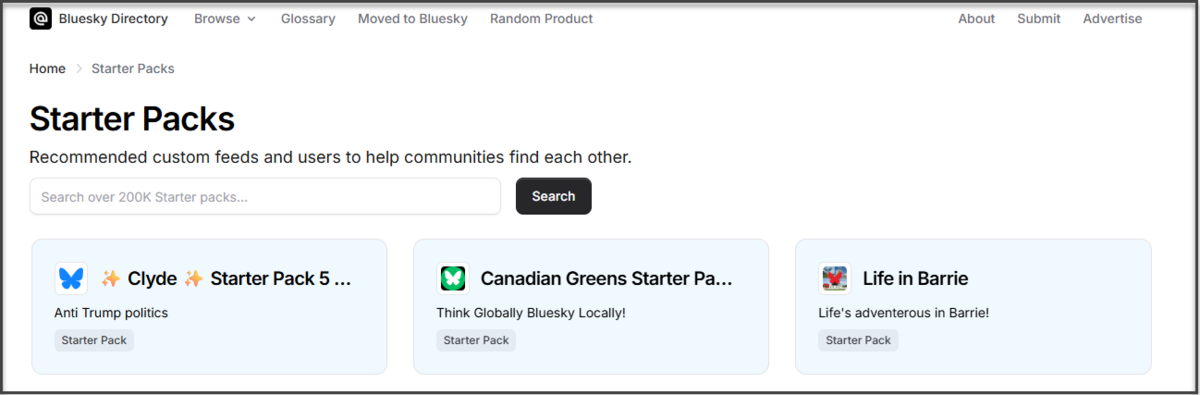
These curated lists of recommendations are a uniquely Bluesky-native content format that can help position your brand as a go-to expert. Create one related to your niche (like “SEO Starter Pack for Ecommerce Brands”) and encourage followers to remix and share it. It’s low-effort, high-trust, and great for brand recognition.
Web Design, Visibility and Starter Packs: Making Every Click Count
So you’ve got a profile. You’re posting great content. But here’s the thing: what happens after someone clicks through to your site?
If your website is clunky, confusing, or missing the basics — like a featured image, clear navigation, or even properly written title tags — all that hard-earned visibility can evaporate.
Your Website Is Still the Conversion Engine
While Bluesky is great for audience growth and awareness, your website is where conversions happen. Every post should connect users back to a central, optimized hub that reflects your brand expertise and supports SEO content strategy.
That means:
- Clear HTML meta tags for titles and descriptions
- Clean, responsive web design that works across devices
- Logical site architecture that helps both users and bots find the good stuff
- Pages that are rich with search engine optimized content (like case studies, thought leadership, and lead gen assets)
Pro Tip: Link your Starter Packs to gated content or newsletters. This turns Bluesky engagement into qualified leads, without ever sounding “salesy.”
Your Website Experience Reflects Your Brand (Whether You Like It or Not)
Bluesky users are tech-savvy and highly aware of user experience. If your site feels outdated, glitchy, or out of sync with your social presence, it won’t just cost you traffic; it’ll damage brand trust.
That’s why website development and design aren’t just technical tasks. They’re marketing tools.
And they’re an essential part of any digital marketing strategy that includes platforms like Bluesky.
Data-Led Strategy and Staying Ahead of the Curve
Bluesky is still evolving, and so are its visibility rules.
Its algorithm is light-touch (for now), and traditional analytics dashboards are still catching up. But the brands getting results aren’t waiting for perfect tools. They’re paying attention.
They’re watching which types of content earn responses. They’re learning from other platforms to predict where Bluesky might go next. They’re tracking search results to see which posts show up in Google, Perplexity, or ChatGPT.
And they’re making informed decisions based on actual audience behavior, not guesses.
If that sounds like a lot of work… it is.
This isn’t a copy-paste-your-LinkedIn-strategy situation. It’s a nuanced, evolving platform that rewards experimentation, insight, and above all, expertise.
But for the brands who get it right…
Bluesky offers something rare in 2025: an actual chance to build organic reach, real engagement, and long-term brand visibility without needing to pay to play.
Digital Marketing Strategies That Work on Bluesky
If you’re still thinking of Bluesky as “just another social media platform,” it’s time to reframe.
Bluesky is a unique opportunity to embed your brand inside emerging online communities without relying on paid ads or algorithm hacks. But to make it work, your digital marketing strategy has to treat it as part of a larger system. That means combining SEO, content marketing, and social media best practices into one connected approach.
Use Smart Planning Tools to Align Content With SEO Goals
Brands that win on Bluesky treat content like strategy, not filler. They’re not just writing off the cuff; they’re aligning posts with keyword insights and audience demand.
This is where tools like Frase or Surfer shine. They help you plan content that ranks by identifying semantically relevant keywords and phrasing. That same language can — and should — be used in Bluesky posts, Starter Packs, and even your profile bio to align your messaging across touchpoints.
Schedule and Monitor Like the Pros
Bluesky doesn’t (yet) have native scheduling, but third-party tools like Typefully are already building support for decentralized protocols. You can draft, plan, and eventually schedule posts in a way that keeps your content consistent and makes your team’s life easier.
For brands running lean teams or multi-platform content calendars, that’s essential.
Meanwhile, tools like Metricool can help you monitor engagement across platforms, including Bluesky, and tie it back to site traffic, UTM performance, and post-click behavior.
Audience Targeting Doesn’t Need Ads; It Needs Insight
Bluesky may not offer detailed ad targeting (yet), but that doesn’t mean you can’t dial into your target market. Tools like SparkToro help you understand what your audience follows, talks about, and searches for, giving you rich inputs for creating content that actually resonates and drives visibility.
When you use these tools in tandem: Frase to plan, Typefully to schedule, Metricool to measure, and SparkToro to refine, your Bluesky content becomes more than a post. It becomes a pipeline.
One that builds brand recognition, attracts new users, and drives qualified traffic to your website.
Bluesky and Search Engine Ranking: Build Once, Be Found Everywhere.
Here’s the part most brands haven’t figured out yet: your activity on Bluesky can directly support your search engine ranking.
Yes, even though it’s decentralized. Yes, even without paid promotion.
Bluesky posts, profiles, and Starter Packs are increasingly being picked up by:
- Google’s Discover features
- AI assistants like ChatGPT, Perplexity, and Gemini
- And even emerging decentralized search tools like Jetpack AI Search
Treat Bluesky Content Like Indexable SEO Assets
If your Bluesky content is optimized with keywords, links back to relevant pages, and is semantically consistent with your website content, it strengthens your site’s topical authority.
Tools like Ahrefs let you monitor backlinks, keywords, and domain mentions. Including those that show up in Bluesky content indexed by Google or other engines. You can track which of your posts or linked content is actually driving traffic, giving you data you can act on.
Want to go deeper? Pair this with Tally to collect feedback or mini-audience surveys directly on-site from users who arrive via Bluesky. That kind of behavioral data is rare and valuable for refining both messaging and UX.
Stay Ahead of Algorithm Shifts (Without Doing All the Work Yourself)
Bluesky’s structure is still evolving, and so is how search engines evaluate its content. What works today may shift as AI tools change how they prioritize decentralized networks. Most brands don’t have the bandwidth to monitor those shifts weekly. But we do.
At SEO Sherpa, we track AI scraping behaviors, platform policy changes, and emerging search engine optimization signals across every major platform, so you don’t have to guess.
Bluesky Is the Future-Proof SEO Opportunity Brands Can’t Ignore
In a world where search behavior is fragmented, algorithms are unpredictable, and trust is earned, not bought, Bluesky stands out as more than just another social media trend; it’s also a strategic opportunity.
Early adopters aren’t just building followers. They’re building searchable, indexable, trust-rich ecosystems that extend beyond the platform and into Google, AI summaries, and the next wave of user discovery.
But tapping into that visibility takes more than showing up. It takes:
- A profile optimized for discovery
- Content crafted with SEO, user intent, and community relevance in mind
- Website structure that supports clicks and conversions
- Cross-channel strategy that connects every post to a broader brand narrative
- And tracking tools that ensure you’re not guessing; you’re growing
You could try to do it yourself. You could spend hours diving into decentralized protocol updates, experimenting with starter packs, and optimizing every post for AI readability.
Or you could let us do it for you.
Book a free discovery call with our team and we’ll show you how to turn your Bluesky presence into a visibility engine that supports traffic, trust, and long-term search performance—without the guesswork.

Because Search Everywhere Optimization isn’t about playing catch-up.
It’s about showing up first — and showing up right.






















Leave a Reply