
Summarize This Article With AI
 Try with ChatGPT
 Try with Claude
 Try with AI Mode
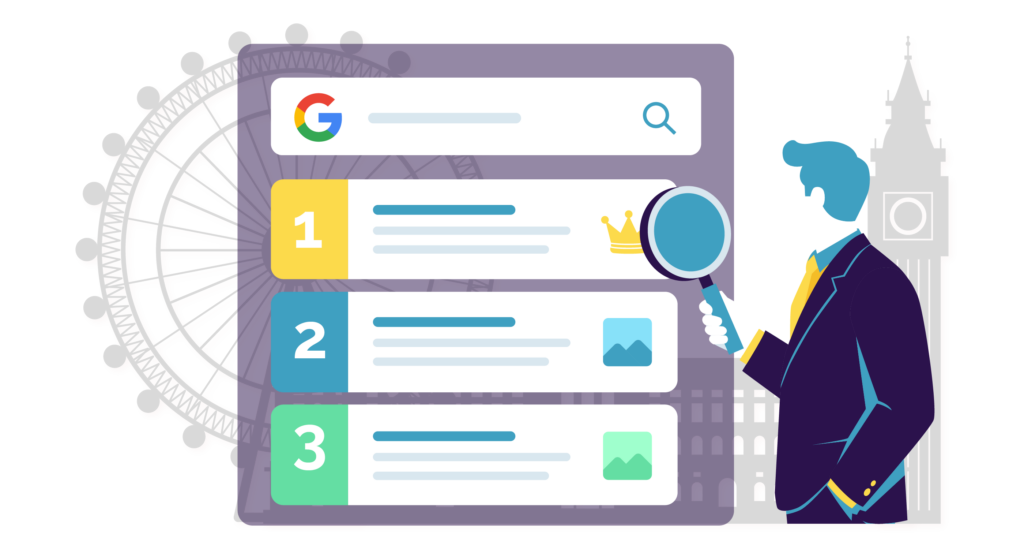
For decades, Google has operated largely as a black box.
Websites rise. Websites fall. Entire industries can be reshaped overnight by algorithm updates, often with little warning and even less explanation.
Now, the UK’s Competition and Markets Authority (CMA) wants to change that.
Under proposed measures, Google would be required to provide fairer rankings, notify businesses about significant algorithm changes, and potentially share certain data with competitors. If implemented, the requirements would become legally binding, representing one of the biggest regulatory challenges to Google’s search dominance in years.
Article Summary
- The UK’s Competition and Markets Authority (CMA) has proposed measures aimed at increasing Google’s accountability.
- Google could be required to provide advance notice of major ranking changes.
- The regulator wants rankings to be fair and non-discriminatory.
- Certain data-sharing requirements could also be imposed.
- The measures would become legally binding if approved.
- The proposals are part of wider efforts to regulate dominant digital platforms.
Search’s Biggest Black Box May Be Opening
Google has long argued that secrecy around its algorithms helps maintain search quality and prevents abuse.
Critics, however, argue that businesses are too dependent on a platform that can dramatically impact visibility, traffic, and revenue without meaningful transparency.
The CMA appears to agree.
Its proposed framework would require Google to provide more information around significant ranking changes and ensure that search results are treated fairly. For businesses that rely on organic search, the move could introduce greater predictability and accountability into an ecosystem that has historically offered neither.

Why This Matters
Every SEO professional knows the feeling.
Traffic suddenly drops. Rankings disappear. Revenue suffers.
And then begins the familiar process of trying to reverse engineer what changed.
If these proposals are adopted, Google’s relationship with publishers and businesses could fundamentally change. Algorithm updates may become less mysterious, and businesses could receive more notice when major changes are coming.
That doesn’t mean ranking factors will become public.
But it would mark a significant shift away from Google’s traditional “trust us” approach.
What This Means for Search Everywhere Optimization
Google’s dominance remains enormous, but regulatory scrutiny is increasing around the world.
That alone is a reminder of why businesses shouldn’t rely exclusively on a single platform for growth.
Search is becoming increasingly fragmented. Visibility now comes from Google, AI search engines, YouTube, TikTok, LinkedIn, Reddit, and countless other channels.
Businesses that diversify their visibility are inherently more resilient.
Because the biggest risk in search has never been algorithm updates.
It’s dependence.
The Bigger Picture
The most interesting aspect of the CMA’s proposals isn’t simply that Google may have to announce major updates.
It’s that regulators increasingly view search visibility as infrastructure.
Search rankings affect commerce, media, and entire industries.
And infrastructure usually comes with oversight.
Google has spent decades operating as the gatekeeper of information.
Regulators appear increasingly determined to make sure that gatekeeper becomes a little more accountable.
Need Help Building Visibility Beyond Google?
SEO Sherpa helps brands build authority across Google, AI search engines, and the platforms influencing modern search behavior.
Book a free discovery call and discover how Search Everywhere Optimization can help your business get found, trusted, and chosen wherever customers search

















Leave a Reply