

Summarize This Article With AI
 Try with ChatGPT
 Try with Claude
 Try with AI Mode
Picture this: A Rolls-Royce dealer in London spends £150,000 a year on Google Ads and generates exactly zero trackable organic inquiries. Meanwhile, a specialist Bentley retailer three miles away has invested in SEO for 18 months, and now ranks on the first page for every high-intent search their buyers actually make.
That gap is not about budget. It’s about understanding that SEO for luxury automotive is a completely different discipline from what works for mainstream car dealerships.
The stakes are higher. The buyer is smarter. The keyword volumes are tiny, but the conversion values are enormous. And most of the generic automotive SEO advice floating around the internet was written for Ford franchises and volume used car lots, not for Rolls-Royce, Lamborghini, McLaren, or bespoke coachbuilders.
This guide changes that. Here’s what actually works for ultra-luxury automotive brands in organic search — and why the standard playbook doesn’t apply.
For Rolls-Royce dealers, coachbuilders, and specialist marque retailers, luxury brand SEO operates by different rules than mainstream automotive. The keyword volumes are smaller. The buyer is more sophisticated. And the margin for generic advice is zero.
Article Summary
- SEO for luxury automotive is not volume SEO in a tuxedo. Keyword volumes are small, but one qualified lead can justify an entire year’s investment.
- High-intent searches by UHNW buyers follow a specific pattern: marque + model + location + intent. Own these terms, and you own your market.
- Google Business Profile, Vehicle Detail Pages with structured data, and editorial content are the three biggest organic levers for specialist dealers.
- Schema Markup — including Vehicle schema, LocalBusiness, and Review Schema Markup — is chronically underused in this segment and represents significant white space.
- AI-Powered Search tools (ChatGPT, Perplexity, Google AI Overviews) increasingly influence UHNW buyers in the research phase. Being cited by these systems matters as much as ranking.
- Success is not measured in traffic. It is measured in qualified inquiries, share of voice for target keywords, and branded search growth.
Why Luxury Automotive SEO Is a Different Game Entirely
SEO for luxury automotive operates on a completely different set of principles from the automotive industry at large. The mechanics look familiar — search rankings, keyword research, content strategy, backlinks — but the underlying logic requires a full reset.
When you represent Bentley, Aston Martin, or a bespoke coachbuilder, you are not competing for eyeballs. You are competing for the attention of one specific person, at one specific moment in an extended and considered research journey. That requires precision, not volume.
Here’s the core insight most automotive SEO agencies miss: The goal is not to rank for everything. It is to be unmissable to the exact right buyer.

The Volume vs. Value Reality in Luxury Automotive Search
A term like “used BMW 3 Series” generates around 90,000 monthly searches. “Bentley Continental for sale UK” gets roughly 1,300.
Most SEO practitioners would look at that comparison and steer toward the higher-volume term. For a Bentley dealer, that logic is completely backward.
The person searching for a “used BMW” is comparison shopping against a Mercedes C-Class and a Volkswagen Arteon. The person searching for a Bentley Continental is not. They are already committed to the marque, they have the capital, and they want to know which dealer to trust.
The conversion value of one Bentley GT inquiry dwarfs 50 BMW transactions. A strategy that generates eight qualified organic inquiries per year for a Rolls-Royce dealer is exceptional SEO growth — even if total monthly traffic never breaks 5,000 visitors.
This is the reframe that makes luxury car dealer SEO work: Optimize for precision intent, not traffic volume. High-intent keywords with low search volume are not a weakness in this vertical. They are the point.
UHNW Buyer Behavior and the Research Phase
Ultra-high-net-worth buyers do not fill out lead generation forms at 11 p.m. after clicking a retargeted display ad.
They research obsessively. Heritage. Craftsmanship. Commission process. Resale provenance. Marque history. The research phase for a £500,000 purchase is measured in weeks, sometimes months — and it begins in editorial content, not on inventory pages.
Here’s where AI-Powered Search changes the game: Tools like Perplexity, ChatGPT, and Google’s AI Overviews are now deeply embedded in that research journey. A UHNW buyer asking an AI assistant, “What should I look for when commissioning a bespoke Rolls-Royce Phantom?” will receive a curated answer built from the most authoritative, well-structured content available. The brands that appear in those answers are shortlisted before a dealership website is ever visited.
This is why editorial authority is not optional for luxury automotive brands. For the highest-value buyers in your market, it is the first point of contact.
Brand Restriction Policies and Content Constraints
Many authorized dealers operate under OEM content guidelines. You may face restrictions on photography, pricing communication, or how you describe the brand’s engineering.
These constraints are real. They are also far less limiting than most dealers assume.
The content assets that OEM policy cannot restrict are the most valuable ones, anyway: your dealership’s 40-year heritage, your team’s marque expertise, anonymized customer stories, your local market knowledge, and your own editorial voice. None of that belongs to the manufacturer.
Build your organic presence around what is genuinely yours to communicate — and you’ll find it outperforms templated brand content every time.

Keyword Strategy for Ultra-Luxury Automotive SEO
The keyword strategy for this vertical is built on a single principle: Own the High-Intent searches your buyers actually make. You are not trying to rank for everything. You are trying to be unmissable for a precise set of terms that signal purchase intent from the right buyer.
Targeting High-Intent Keywords at Low Search Volume
The keyword architecture for ultra-luxury automotive follows a clear formula: marque + model (or category) + location + intent signal.
Here are real examples of the terms worth targeting:
| Keyword | Monthly Volume | Intent | Content Type |
| Bentley Flying Spur dealer London | 70 | Purchase | Location + Inventory Page |
| Buy Rolls-Royce Ghost UK | 90 | Purchase | Model Hub Page |
| McLaren 720S commission UK | 50 | Bespoke | Commission Guide |
| Lamborghini Huracán for sale Dubai | 140 | Purchase | VDP + Location Page |
| Aston Martin DB12 review | 320 | Research | Editorial Article |
| Rolls-Royce Cullinan price 2025 | 480 | Commercial | Model Detail Page |
Notice the volumes. They’re small. That’s deliberate.
A keyword generating 70 monthly searches with near-certain purchase intent is infinitely more valuable than a 10,000-search term with mixed intent. This is the keyword research logic that mainstream automotive SEO gets wrong — and that creates the white space for specialist dealers to dominate.
Pro Tip: Use Google Search Console to identify which branded keywords are already driving impressions for your site. These are often underoptimized — you’re showing up but not owning the real estate you’ve earned. Search Console data is the fastest route to quick wins in a low-volume vertical.
Content Pillars and Clusters for Specialist Marques
The most effective content architecture for ultra-luxury dealers is the Content Pillars and cluster model, applied at the marque level.
One comprehensive pillar page for each marque you represent — “Our Bentley Collection” or “Rolls-Royce at [Dealership Name]” — becomes the topical anchor. Around it, you build content clusters of supporting content: heritage guides, model-by-model comparisons, commission process FAQs, owner testimonials, and event coverage.
This approach builds topical authority for each marque without keyword cannibalization between model pages. It also signals to Google and to AI systems that your site is the authoritative source for that specific marque in your market.
For a Bentley dealer, the cluster looks like this: Bentley hub page → Bentayga model guide → Flying Spur review → Mulliner personalization guide → Bentley heritage article → owner event coverage.
Each piece supports the others. Together, they build a position no single page can achieve alone. Pairing this with a well-planned SEO content strategy is what separates dealers who rank from those who stay invisible.
Model-Specific Semantic Mapping
Model-Specific Semantic Mapping is one of the most underused keyword tactics in luxury automotive — and one of the most effective.
The idea is straightforward: For each model you stock or represent, map every semantically related term a buyer might use across the research journey. Not just the primary model name, but its variants, nicknames, comparison terms, specification queries, and ownership questions.
For a Rolls-Royce Ghost, this semantic map might include: “Ghost vs Phantom,” “Ghost long wheelbase,” “Ghost bespoke options,” “Rolls-Royce Ghost review 2024,” “Ghost fuel economy,” and “pre-owned Ghost UK.”
Each of these terms represents a content opportunity. Collectively, they build the kind of topical depth that earns consistent ranking across the full research funnel — not just at the moment of purchase intent, but across every stage of the buyer’s journey.
Coachbuilder and Bespoke Commission SEO
Coachbuilders occupy a unique position in luxury automotive SEO. Mansory, Ares Design, Pininfarina, and Mulliner can own the search results for their own bespoke processes in a way no mainstream dealer can replicate.
Commission guides, before-and-after showcases, craftsman profiles, and materials explainers are all high-value editorial assets that attract both organic traffic and LLM citations. The coachbuilder that publishes a comprehensive guide to their carbon fiber manufacturing process — or a detailed visual essay on a Rolls-Royce Phantom commission from brief to delivery — creates content that earns natural links from automotive press and gets cited by AI assistants answering research questions from UHNW buyers.
That is a durable competitive moat. And most coachbuilders aren’t building it.
On-Page SEO: Optimizing the Pages That Actually Convert
On-page SEO for ultra-luxury automotive is about depth and precision. You may have six cars in stock. Each one needs to work extremely hard online. This is where core SEO fundamentals intersect with the specific demands of the luxury market.
Vehicle Detail Pages for Low-Inventory Dealers
A Rolls-Royce dealer with six vehicles in stock cannot rely on the template-and-scale approach a volume dealer uses with 400 used listings. Each Vehicle Detail Page (VDP) must be a standalone piece of content.
That means: long-form vehicle descriptions of 500 words or more, provenance details covering service history and prior ownership, high-quality photography with keyword-optimized alt text, and a unique page title reflecting the specific vehicle — not a generic placeholder.
For vehicle description pages, this level of depth serves two purposes. One: It satisfies the research-oriented buyer who wants to know everything before making contact. And two: It gives search engines enough semantic richness to understand exactly what the page is about, improving organic visibility for VIN-Level Search Visibility across model, specification, and location-based queries.
On the technical side, implement Vehicle schema combined with Product and Offer schema on every listing. Most luxury dealers ignore Schema Markup entirely. That is your white space.
Side Note: Inventory Feed Managers can help automate schema deployment across vehicle listings — useful for dealer groups managing multiple marques. However, always audit the output. Automated schema applied incorrectly (wrong vehicle type, missing required fields) can actively suppress rich snippet eligibility rather than improve it.
Heritage and Brand Pages as SEO Assets
If your dealership has been an authorized Rolls-Royce partner for four decades, that story belongs on your website — not buried in an “About Us” footer paragraph.
Heritage pages, team expertise sections, award and recognition pages, and manufacturer partnership history all contribute to E-E-A-T (Experience, Expertise, Authoritativeness, and Trustworthiness). These signals matter at every level of search. They matter particularly in verticals where trust is a prerequisite for a seven-figure transaction.
A buyer considering a £400,000 purchase researches the dealer as intensely as the vehicle. Brand narratives and heritage content are what convert an anonymous website into a trusted destination.
Structured Data That Most Luxury Dealers Ignore
Structured data is the single largest untapped SEO opportunity in the ultra-luxury automotive segment.
The core Schema Markup types to implement:
Vehicle schema covers make, model, year, mileage, VIN, and condition for all inventory pages. LocalBusiness schema includes your correct category, opening hours, and precise location. Product + Offer schema applies to bespoke commissions or fixed-price vehicles. Review Schema Markup aggregates verified customer ratings into rich snippets in search results. Video Object Schema applies to any video content — model walkarounds, commission showcases, event coverage — and can surface these in Video search results.
Dynamic Schema — schema that updates automatically as inventory changes — is worth implementing if your VDPs are dynamically generated. Static schema on dynamic pages becomes inaccurate within days and can suppress rather than support rankings.
Structured data matters beyond organic search results. Google AI Overviews draw heavily on parseable, structured content. A dealership with correct schema is significantly more likely to be cited in AI-generated responses to marque queries than one without it.
For guidance on internal linking structure that reinforces your schema and content hierarchy, that foundation compounds everything above it.
Technical SEO for Luxury Automotive Websites
Technical SEO is the infrastructure that everything else runs on. For luxury automotive, a technically sound site is non-negotiable — particularly given the expectation of a flawless digital experience from UHNW buyers.
Core Web Vitals and Mobile-Speed Tuning
Core Web Vitals are Google’s user experience signals: Largest Contentful Paint (LCP), Interaction to Next Paint (INP), and Cumulative Layout Shift (CLS). Poor scores directly suppress organic search rankings.
Luxury automotive sites are particularly vulnerable to Core Web Vitals failures. High-resolution vehicle photography, video backgrounds, and visually intensive design elements create loading performance issues that most automotive web teams don’t monitor closely enough.
Mobile-Speed Tuning deserves specific attention. A significant share of initial research — even for ultra-high-value purchases — begins on mobile. A site that loads slowly on a phone signals exactly the wrong things about the brand it represents.
Pro Tip: Use Google Search Console’s Core Web Vitals report alongside Google Analytics to identify which specific pages are underperforming. Vehicle Detail Pages with heavy image galleries are the most common culprits. Compress images without visible quality loss, implement lazy loading, and defer non-critical JavaScript.
XML Sitemaps, Canonical Tags, and Crawl Health
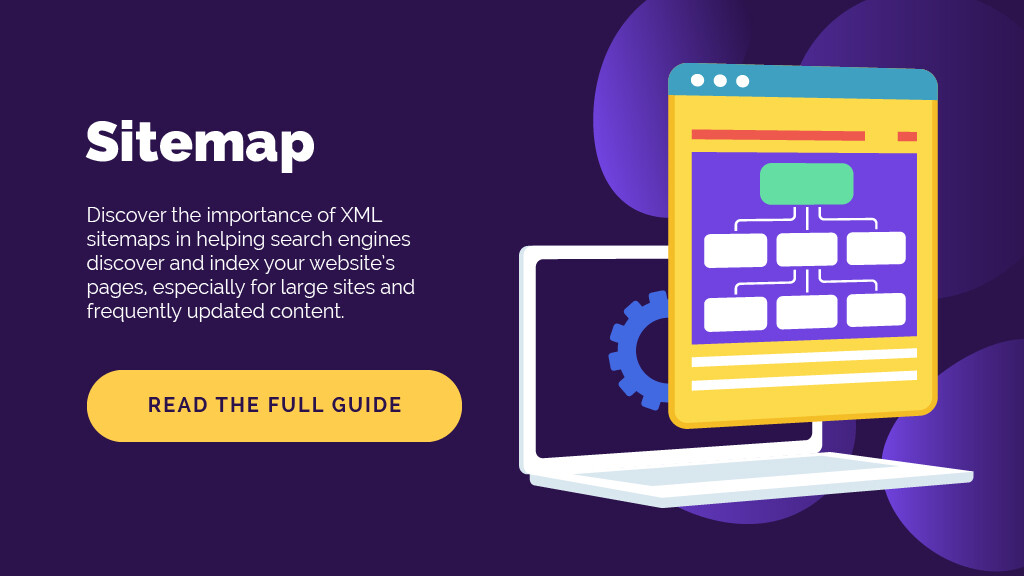
An accurate XML sitemap ensures search engines can discover and index every page on your site, including VDPs that may be added or removed as inventory changes.
Canonical tags prevent duplicate content issues — a common problem for dealers whose inventory pages appear with multiple URL variants (filtered views, sort parameters, pagination). Without canonical tags, you split ranking signals across duplicate pages rather than concentrating them on the correct URL.
For dealer groups operating multiple franchise sites, canonical tags are especially important. Shared content across sites — templated model descriptions, OEM copy — must be canonicalized back to the authoritative version.
Zero-Click SERPs and Position Zero
Zero-Click SERPs are search results where the answer is displayed directly in the SERP, and the user never clicks through to a website. Featured snippets — what many call Position Zero — are the primary zero-click format.
The brief analysis for this vertical confirms there is no currently featured snippet for “SEO for luxury automotive,” which means there is a structured Q&A opportunity to own that Position Zero slot. Formatting content as a definition block, followed by supporting detail, is the most reliable route to featured snippet capture.
For informational content on your dealership site — model guides, FAQ pages, commission explainers — targeting structured Q&A formats with clear answers directly below heading questions increases both featured snippet eligibility and AI Overview citation probability.
Local SEO for Luxury Dealerships and Showrooms
The physical showroom is still where ultra-luxury automotive transactions happen. Local SEO is not optional — it is the foundation of organic lead generation for any specialist dealer.
Google Business Profile Optimization for Premium Dealers
Your Google Business Profile is the most visible piece of local search real estate you directly control. Most luxury dealerships treat it as an afterthought.
A well-optimized GBP for a premium dealer looks like this: the correct primary category (“Car Dealer” rather than “Used Car Dealer” for new stock), original showroom photography instead of OEM stock images, a complete business description with local search terms naturally integrated, and responses to every customer review — positive or negative, regardless of length.
GBP posts are chronically underused by luxury dealers. New arrivals, concours event coverage, and bespoke commission announcements all make excellent post content. They drive both local visibility and direct engagement from buyers already researching your dealership.
The Proximity Factor matters significantly in local search for luxury automotive. Buyers searching “Bentley dealer near me” or “Rolls-Royce showroom [city]” will see results influenced by their physical distance from your location. Accurate location data, a complete GBP, and strong local citation signals all compound the Proximity Factor in your favor.
Local Citation Management and NAP Consistency
Local Citation Management ensures your Name, Address, and Phone number (NAP) are identical across every directory, platform, and listing where your dealership appears.
For ultra-luxury automotive, citation quality matters more than citation quantity. The key directories to prioritize: Auto Trader, Parkers, Car Magazine, Autocar, the manufacturer’s official dealer locator, and any premium lifestyle directories relevant to your target audience. For dealers in markets like Miami, FL or Dubai, regional luxury lifestyle platforms carry significant weight with local high-value consumers.
Minor NAP inconsistencies — abbreviated address formats, old phone numbers, different business name spellings — quietly undermine local search rankings over time. Audit your citations quarterly and correct inconsistencies immediately.
Location Pages for Multi-Site Dealer Groups
If your group operates Bentley Manchester, Bentley London, and Bentley Edinburgh, each location requires a dedicated, unique page.
Original copy for each location — not duplicated templates. Local customer reviews embedded on each page. Specific showroom photography. Service offerings that may differ by site. A clear conversion path from each page to inquiry or appointment.
A structure template for a luxury dealer location page: marque + location name in the H1, what makes that specific showroom distinctive, the local team and their expertise, the geographic area served, and a prominent call to action.
Groups relying on a single “Contact Us” page with a location dropdown are leaving local search visibility on the table at every site.
Content Marketing Strategy for Ultra-Luxury Automotive Brands
Content is where ultra-luxury automotive brands have the greatest opportunity to build organic authority — and where they most consistently underinvest. The gap between the content most luxury dealers publish and the content their buyers actually want is significant. Closing that gap is where the organic growth lives.
Editorial Content That UHNW Buyers Actually Read
The content that performs in this vertical takes the buyer seriously.
Examples that earn traffic and trust: “The Complete Guide to Commissioning a Bespoke Rolls-Royce Phantom,” “What to Ask When Buying a Pre-Owned McLaren 720S,” “The History of Mulliner Coachbuilding,” “How the Lamborghini Huracán Differs Across Its Model Variants.”
These pieces serve the extended research phase, earn natural backlinks from automotive press, and signal genuine marque expertise to both readers and search engines. For pre-owned vehicles sections, editorial content that addresses authenticity, provenance, and the dealership’s inspection process directly answers the questions buyers have before they make contact.
The test for every piece of editorial content: Would this article make sense in a mainstream car-buying guide? If the answer is yes, it is not specific enough for your audience.
Event and Concours Coverage as SEO Content
Car shows are massively underused content assets for luxury dealers.
Goodwood Festival of Speed, Pebble Beach Concours d’Elegance, and Salon Privé represent annual editorial opportunities that most dealerships miss entirely. A dealer who attends, documents with original photography, and publishes detailed event coverage earns authority and long-tail search traffic that compounds year over year.
The three-phase content model: pre-event preview content (which captures early search interest), live social coverage (which drives branded keywords), and a post-event editorial piece with full photography and manufacturer announcements.
Each phase builds on the previous one. The post-event editorial is what generates organic search traffic for the following months.
AI-Powered Search and LLM Visibility
AI-Powered Search has already changed how UHNW buyers research high-consideration purchases. Google AI Overviews appear for adjacent automotive queries now. Expect that footprint to expand significantly for luxury-specific terms over the next 12-18 months.
The mechanism by which AI assistants select content to cite favors structured, authoritative, factual content that directly answers specific questions. Structured Q&A sections. Expert guides with clear attribution. Heritage content with verifiable, specific detail. FAQ schemas that make individual question-answer pairs parseable by machines.
A dealer that publishes a detailed, accurate, genuinely authoritative guide to the Bentley Mulliner commission process is significantly more likely to be cited in a ChatGPT or Perplexity response to a UHNW buyer’s research query than a dealer with a generic brochure site.
This is an emerging competitive moat. The dealers who build AI citation presence now will benefit from it for years.
This is precisely why a Search Everywhere Optimization strategy matters for luxury automotive. Search no longer lives only in the 10 blue links.
Voice Search Optimization for Luxury Automotive
Voice Search Optimization deserves specific attention in this vertical. UHNW buyers frequently use voice queries — “What’s the best Bentley dealer near me?” or “Where can I buy a pre-owned McLaren in London?” — particularly during commutes or when using vehicle-integrated assistants.
Voice search queries are conversational and longer than typed queries. Optimizing for them means including natural-language questions and answers in your content, structured Q&A sections, and FAQ pages that directly mirror how buyers speak when searching.
The overlap between voice search optimization and featured snippet capture is significant — and both contribute to AI Overview visibility. They are the same strategic investment.
Link Building for Luxury Automotive Websites
Backlinks in this vertical follow the same principle as everything else: Quality vastly outweighs quantity. A single editorial backlink from Autocar, Road & Track, or the Financial Times motoring supplement is worth more than 50 directory citations in terms of domain authority and organic ranking impact.
Automotive PR and Editorial Backlink Acquisition
The most scalable backlink acquisition strategy for a luxury dealer is digital PR — press releases to motoring press when a significant vehicle arrives, expert commentary provided to automotive journalists, and partnership content with OEM-affiliated publications.
A Rolls-Royce dealer acquiring a rare 1950s Silver Wraith has a genuine news story. A Bentley retailer commissioning a bespoke Bacalar has one, too. These are earned media moments that generate authoritative links and branded keyword growth simultaneously.
The key is to treat PR outreach as a content operation. Build relationships with automotive journalists before you need them, not when you’re trying to place a story.
Partnership and Co-Marketing Backlinks
The UHNW audience for ultra-luxury automotive overlaps almost perfectly with the audience for private aviation, luxury watch brands, high-end estate agents, and private members’ clubs.
That overlap creates natural link-building partnerships built on genuine audience alignment.
A Rolls-Royce dealer partnering with a private jet charter firm on a “weekend in Monaco” editorial feature. A Bentley retailer co-producing content with a premium watch brand for an enthusiast audience. A McLaren dealer contributing expert commentary to a private members’ club newsletter.
These relationships generate backlinks from high-authority lifestyle domains — and they reach exactly the right audience at exactly the right moment. For luxury brands, influencer collaborations with credible, specialist voices (automotive journalists, marque historians, racing drivers) can also generate natural editorial links from platforms where those contributors have established authority.
Reputation Management and Customer Reviews
Reputation management is not a separate discipline from SEO in the luxury automotive vertical. It is part of it.
Customer reviews contribute to local search rankings through Google’s local algorithm. They appear as rich snippets in search results via Review Schema Markup. And they influence the decision-making of UHNW buyers who routinely research a dealership’s reputation before making contact.
A five-star review profile with detailed, specific customer feedback is an SEO asset. A thin profile with three generic reviews and no dealer responses is a missed opportunity.
The strategy: Request reviews systematically from every satisfied customer. Respond to every review — positive reviews as well as negative ones — in a voice that reflects the brand’s premium positioning. And embed Google reviews on relevant website pages using schema markup to surface them in search results.
For dealers managing reputation across multiple platforms (Google, Auto Trader, Trustpilot, brand-specific forums), monitoring tools that aggregate review data across channels are worth the investment. Reputation management at this level is not something to manage manually across eight platforms.
Measuring SEO Success When You Sell 30 Cars a Year
This is the section where most luxury automotive SEO strategies fall apart. The reporting framework designed for a mainstream dealer — monthly sessions, organic traffic growth, generic conversion rate — is largely meaningless when you’re selling 30 vehicles a year at £200,000 each.
KPIs That Actually Make Sense for Luxury Dealers
Move beyond traffic. The metrics that matter in an ultra-low-volume, high-value vertical are:
Qualified inquiry rate — how many organic visitors requested contact, booked a showroom visit, or initiated a commission conversation. Qualification matters. Volume does not.
Share of voice — are you appearing in the top positions for your target marque + location keyword set? Track this quarterly using a monitoring tool like Semrush or Ahrefs.
Branded keyword growth — is your dealership name generating more searches month over month? Branded search growth reflects offline and content-driven brand building better than any other metric.
Visibility for marque-specific searches — are you ranking for the specific terms that signal your highest-value buyers?
Lead quality score — a simple internal scoring system applied to every organic inquiry (budget confirmed, purchase timeline, vehicle type aligned) gives you attributable quality data that raw traffic numbers never will.
Attribution in Long Sales Cycles
A Bentley buyer does not convert in a single session. The organic research journey spans weeks and involves editorial content, model pages, heritage sections, and multiple return visits before an inquiry.
Last-click attribution kills luxury automotive SEO reporting. If Google Analytics assigns all conversion credit to the final click before inquiry — often a branded search or direct visit — it systematically undervalues every editorial and informational piece that built the buyer’s trust during the research phase.
Set up assisted conversion tracking in Google Analytics (GA4). Implement a multi-touch attribution model that assigns credit to the first organic touchpoint and the intermediate content interactions that preceded conversion. This is the only accurate way to understand what your SEO program is actually generating — and the only way to make a defensible case for the investment.
Ready to Build an SEO Strategy Your Luxury Brand Deserves?
SEO for luxury automotive is not about more traffic. It is about the right person finding you at the right moment in their research journey — with enough authority and trust already established that your showroom becomes the obvious next step.
Every section of this guide reflects a vertical where generic automotive SEO advice is actively harmful. If a tactic applies equally to a Kia dealer, it does not belong in your strategy.
The SERP for luxury automotive queries is dominated by generalist guides that treat all car dealerships the same. The white space — coachbuilder SEO, LLM citation strategy, Model-Specific Semantic Mapping, attribution modeling for long sales cycles — is yours to own.
The framework exists. The question is whether your current SEO strategy is built to execute it.
Get a free discovery call.
Want a strategy built specifically for your dealership, marque, or coachbuilding operation? We’d be glad to show you what’s possible.























Leave a Reply