

Summarize This Article With AI
 Try with ChatGPT
 Try with Claude
 Try with AI Mode
There’s a particular irony baked into how luxury fashion brands approach digital marketing.
Brands that have spent decades perfecting the art of being desired, inaccessible, and, frankly, a little intimidating, have decided that appearing in a Google search is somehow beneath them.
Meanwhile, their customer is Googling.
The same person who will drop €12,000 on a Birkin without blinking is absolutely sitting on their sofa at 11 pm, typing “best investment luxury handbag 2026” into a search bar, clicking through five articles, and watching a 30-minute YouTube deep dive on authentication. They’re doing research. Extensive, meticulous, thoroughly unglamorous research.
And if your brand isn’t showing up during it, someone else’s is.
This is the conversation that makes luxury brand managers deeply uncomfortable. SEO feels mass market. It feels too accessible. It feels like the opposite of everything a luxury brand is supposed to be. And yet here we are, because the alternative — being invisible to a buyer who is actively looking for you — is somehow even less appealing.
Luxury fashion SEO is not about chasing volume or abandoning exclusivity, but about showing up in exactly the right moments, for exactly the right people, with exactly the level of brand expression your house deserves. Done correctly, it doesn’t dilute your brand. It extends it.
This guide will show you how.
Article Summary
- Luxury fashion SEO requires a fundamentally different approach from standard ecommerce SEO: lower search volumes, higher purchase intent, and brand perception at stake with every keyword choice.
- The luxury customer journey is longer and more aspirational. SEO must capture buyers at the research and validation stages, not just at the point of transaction.
- Keyword strategy must protect brand equity. Discount-heavy or high-volume, low-prestige queries can dilute brand perception even as they drive traffic.
- Editorial storytelling, heritage content, and craftsmanship narratives outperform generic product blog content for luxury audiences and build the kind of authority that earns links from prestige publications.
- Technical SEO and high-end UX must coexist. Page speed, mobile performance, and structured data must be handled without compromising the visual richness that luxury audiences expect.
- Digital PR and link building from prestige publications (Vogue, GQ, Wallpaper, Business of Fashion) are the highest-value authority signals available to luxury brands.
- Brand protection in search is non-negotiable. Competitors and counterfeiters actively target luxury brand keywords — failing to own your branded search results creates genuine risk.
What Makes Luxury Fashion SEO Different?
Luxury brand SEO requires a fundamentally different mindset before a single keyword is touched.
Standard e-commerce SEO optimizes for volume. The logic is straightforward: more traffic means more conversions. You target high-search-volume keywords, build content at scale, earn as many links as possible, and watch organic traffic compound.
That logic breaks down the moment you apply it to a Hermès, a Loro Piana, or an emerging luxury label.
Here’s why.
The luxury market operates on a completely different psychological contract with its customers. Scarcity is a feature, not a bug, and exclusivity is the product. The perception that a brand is accessible to everyone is the fastest way to make it desirable to no one. When Louis Vuitton started appearing everywhere in the mid-2000s, it triggered a brand crisis that took years and the strategic elimination of core signature products to resolve.
SEO that chases volume can create the same problem. If a luxury brand starts ranking for every possible fashion query, appearing alongside fast-fashion competitors in undifferentiated search results, the brand’s search presence begins to erode the brand equity the business depends on.
Luxury SEO prioritizes exclusivity and intent over search volume. The goal is not to appear for every search. It’s to appear, with the right brand expression, for the searches that matter.
The Balance Between Visibility and Exclusivity
The balance is not as delicate as it sounds, once you understand where the line is.
Ranking for “Loro Piana cashmere coat” is not a dilution risk. It’s capturing a searcher who already knows what Loro Piana is and is evaluating a purchase. That’s the exact person you want to intercept.
Ranking for “cheap luxury coats” or “affordable designer alternatives” is a dilution risk. The query itself signals the wrong buyer, and the brand association with bargain-adjacent language undermines positioning.
The framework is intent-first. Every keyword decision should answer two questions: does this query represent the kind of buyer we want, and does appearing for this query reinforce or weaken our brand perception?
Understanding the Luxury Customer Journey
The luxury customer journey is longer, more considered, and more aspirational than the standard e-commerce journey.
A prospective Chanel buyer might spend months in the research phase. They follow the brand on Instagram, read editorial coverage in Vogue, watch runway videos on YouTube, ask friends about their experiences with specific boutiques, and eventually search for specific pieces they’ve been considering. By the time they visit a store, physical or digital, they have typically already made a provisional decision.
This means luxury fashion SEO must work across multiple touchpoints in an extended journey. Aspirational content that captures buyers early in the consideration phase. Editorial storytelling that reinforces brand desire and perception. Product and collection pages that validate the purchase at the moment of decision. And local and international SEO that connects online research to offline or online transactions.
The average luxury purchase cycle involves significantly more research touchpoints than a mass-market equivalent. Failing to show up during that research phase means ceding influence over the decision to whichever brand does.

Keyword Strategy for Luxury Fashion Brands
Keyword research for luxury brands begins with a different question than standard SEO.
Instead of “what has the highest search volume?” the question is “what are our ideal customers searching for, and which of those queries align with who we are?”
The answer often involves accepting lower search volume in exchange for higher purchase intent and better brand alignment. That’s not a compromise. It’s a feature of the luxury market that plays in your favor once you understand it.
High-Intent vs Aspirational Keywords
There are two primary keyword categories that matter for luxury fashion SEO.
High-intent keywords are queries from buyers who are close to a decision. Searches like “buy Bottega Veneta Jodie bag,” “Saint Laurent men’s loafers price,” or “Brunello Cucinelli cashmere knitwear” represent people who know exactly what they want and are evaluating where and when to acquire those products. These should be captured at the product page and collection page levels.
Aspirational keywords represent earlier-stage buyers who are discovering, considering, or researching the category. Searches like “best investment luxury handbags,” “how to dress like old money,” or “most iconic luxury fashion houses” represent a different mindset — someone building their knowledge and desire, not yet ready to transact. These are captured through editorial content, brand heritage pages, and curated guides.
Both categories matter. Neither should be neglected.
The mistake many luxury brands make is treating their website as a product catalog and building SEO only around high-intent transactional queries. That leaves the entire aspirational phase, where brand desire is built, unaddressed in organic search.
Pro Tip: Long-tail keywords that reflect exclusivity and craftsmanship consistently outperform broad category terms for luxury brands. “Italian-made men’s suede loafers” will attract a more qualified buyer than “men’s designer shoes,” and the lower competition makes ranking significantly more achievable.
Protecting Brand Equity in Keyword Targeting
Not all traffic is worth having.
This is one of the hardest concepts to communicate in a traditional SEO context because it is built on the assumption that more traffic is always better. In luxury fashion, that assumption is wrong.
Queries that associate your brand with discounting, accessibility, or comparison shopping carry real brand risk. This includes terms like “luxury fashion sale,” “designer brands on a budget,” “affordable alternatives to [brand name],” or anything that frames your brand as a stepping stone rather than a destination.
These keywords might drive traffic. That traffic will bounce when they discover prices, leave negative impressions in analytics data, and dilute the customer profile that high-end advertisers and wholesale partners use to evaluate brand health.
The discipline of luxury SEO requires the willingness to deliberately avoid ranking for certain queries, because appearing for them does more harm than good.
Side Note: Keyword exclusion is as important as keyword targeting in luxury fashion SEO. Build a list of query types to avoid just as deliberately as you build the list of queries to pursue. Share this list with everyone who touches your content and paid search programs, because inconsistency between channels creates the exact dilution you’re trying to avoid.
On-Page SEO for Luxury Ecommerce
Once the keyword strategy is established, on-page SEO translates that strategy into the actual pages of the website.
For luxury fashion brands, this involves navigating a genuine tension. On one hand, search engines reward clarity, structured content, and keyword presence. On the other hand, luxury brands often have a visual-first, copy-minimal aesthetic that can make traditional on-page SEO feel at odds with the brand voice.
The resolution is not to choose between brand and SEO. It’s to execute both with enough craft that neither compromises the other.

Optimizing Product Pages Without Diluting Brand Voice
Product pages are the highest-stakes pages in a luxury fashion website’s SEO strategy. They capture high-intent buyers at the point of decision and represent the brand at its most specific level.
Every product page should include the primary keyword for that product naturally within the page title, H1, and opening description. The product name, material, and origin should all be explicit because these are the terms your buyer searched for, and they should appear clearly.
But the way those elements are expressed matters enormously.
A product description that reads “Italian calfskin leather tote bag with gold hardware” is technically keyword-rich. A description that reads “hand-stitched from full-grain calfskin sourced in Tuscany, this tote embodies the quiet confidence of a wardrobe built to last a lifetime” is richer in brand voice, equally keyword-relevant, and far more appropriate for the audience.
The goal is to create copy that earns the trust of both search engines and your customers. That requires actual craft, not formula.
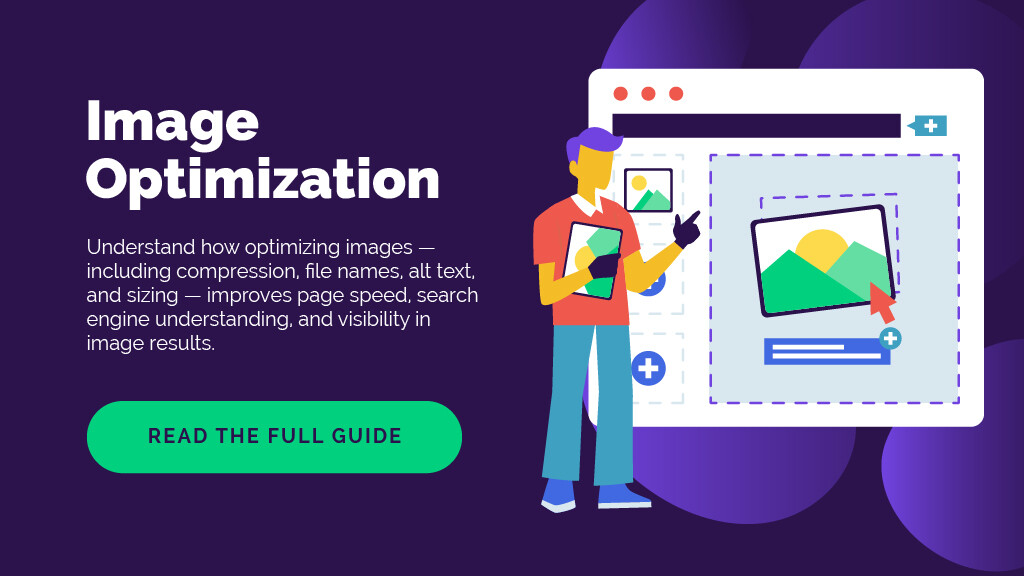
Image SEO is equally important on luxury product pages. High-quality images are non-negotiable for the brand experience, but they also create an SEO opportunity that most luxury brands leave on the table. Every image should have a descriptive filename (ivory-cashmere-wrap-coat-women.jpg, not IMG_4891.jpg) and alt text that is specific, descriptive, and keyword-relevant without being forced.
Pro Tip: Structured data, specifically Product schema and BreadcrumbList schema, can display product ratings, pricing, and stock availability directly in search results, significantly increasing click-through rates. For luxury brands, this also provides a way to reinforce product legitimacy in the SERP itself, which is valuable given the prevalence of counterfeit search results in the luxury sector.
Image SEO for High-End Visual Content
Luxury fashion is a visual category. The photography, the composition, and the styling are themselves brand statements.
But search engines cannot see images. They read file names, alt text, and surrounding text to understand what an image contains.
For luxury fashion SEO, every image is an opportunity to reinforce both relevance and brand identity. Alt text should describe the image accurately and specifically: “dark navy velvet blazer with peak lapels, worn with white spread-collar shirt” conveys both the visual content and relevant keywords.
Image compression is one of the most common technical failures on luxury fashion websites. High-resolution photography is essential for brand credibility, but unoptimized files can devastate page load times. The solution is modern image formats (WebP, where supported), lazy loading for images below the fold, and CDN delivery — not compromising image quality
Content Strategy for Luxury Fashion Brands
The most powerful long-term SEO investment a luxury brand can make is editorial content that captures aspirational search intent while building genuine brand authority.
Think less “10 tips for buying designer shoes.” Think more Vogue Business, T Magazine, or System Magazine.
Creating Editorial-Style Content
Luxury fashion content that earns organic search traffic and builds brand authority reads like journalism, not marketing.
It draws on the brand’s genuine perspective and expertise. It discusses trends without being trend-reactive. It covers heritage, craft, design philosophy, and cultural context. It treats the reader as intelligent and informed, not as someone to be persuaded.
Content types that consistently perform well for luxury fashion brands in organic search include:
Brand heritage narratives that explore the history, founding principles, and archival significance of a house or designer. These pages serve aspirational searchers researching the brand and build the kind of authority that earns editorial links from fashion publications.
Craft and material stories that go deep on the sourcing, production, and artisanal expertise behind products. “How our cashmere is sourced in Inner Mongolia” or “The 72-hour process behind our hand-welted shoes” are the kinds of pieces that both search engines and luxury buyers engage with deeply.
Curated editorial guides that help buyers navigate complex decisions: “How to build a capsule wardrobe around a single luxury investment piece” or “The difference between Saffiano and full-grain leather: a buyer’s guide.” These target aspirational long-tail keywords and establish the brand as a trusted authority.
What these content types have in common is that they do not feel like SEO content. They feel like brand content with excellent search visibility. That’s exactly the goal.
Side Note: Publishing frequency matters less for luxury fashion than for mass-market content strategies. One exceptional, deeply researched editorial piece published monthly will outperform four thin blog posts every time — both in search rankings and in brand perception. Depth over velocity.
Leveraging Brand Heritage and Craftsmanship
Brand heritage is not just a storytelling asset. It’s an SEO asset.
Long-tail keywords related to heritage, craftsmanship, provenance, and artisanal production consistently attract high-intent searchers with a strong purchase propensity. Searches like “oldest Italian leather goods house,” “hand-made Swiss watch brands,” or “French couture atelier” represent buyers who know what quality means and are willing to pay for it.
Creating dedicated content around these themes — founder stories, archive collections, craft documentary series, heritage product pages — serves multiple SEO purposes simultaneously. It targets valuable long-tail queries. It builds topical authority around luxury and craftsmanship. And it generates the kind of content that fashion publications, lifestyle journalists, and cultural commentators actually want to link to.
Authority is built through high-quality endorsements rather than a high volume of links. In the luxury context, this means one link from The Business of Fashion (BoF) is worth more than 50 links from generic fashion blogs.
Technical SEO for Luxury Fashion Websites
Technical SEO for luxury fashion brands comes with a set of trade-offs that don’t exist in standard ecommerce contexts.
The baseline requirements: crawlability, indexability, mobile performance, page speed and structured data, are non-negotiable. But the implementation must account for the visual richness, immersive experience, and brand standards that luxury audiences expect.

Site Speed vs High-Quality Visuals
Page speed is a direct Google ranking factor and a user experience signal that affects both organic performance and conversion rates. For every additional second of load time, conversion rates drop materially.
Luxury fashion websites frequently sacrifice speed for visual impact. Full-screen video backgrounds, high-resolution editorial photography, parallax effects, and complex animations all add significant loading overhead.
The resolution is not to eliminate these elements, but to implement them with technical precision.
Techniques that preserve visual quality while improving performance include:
Next-gen image formats. WebP and AVIF formats deliver equivalent visual quality at significantly smaller file sizes than JPEG or PNG. Most modern browsers support them with appropriate fallbacks for older environments.
Lazy loading. Images and videos below the fold should load only when the user scrolls toward them. This dramatically reduces the initial page load time without affecting the page’s perceived visual quality.
Video hosting via CDN. Hosting video assets through a CDN rather than directly on origin servers reduces bandwidth costs and dramatically improves global load times.
Deferring non-critical JavaScript. Interactive elements that don’t need to render before the user sees the page can be deferred, improving Core Web Vitals scores without affecting the experience.
Pro Tip: Use Google PageSpeed Insights and the Core Web Vitals report inGoogle Search Consoleto identify your worst-performing pages. Luxury fashion websites typically have the most severe performance issues on the homepage, campaign landing pages, and editorial content; precisely the pages that need to make the strongest impression.
Mobile Experience for Affluent Audiences
The assumption that luxury buyers research and purchase primarily on desktop is outdated and incorrect.
Affluent consumers are heavy mobile users. Research consistently shows that high-net-worth individuals conduct significant purchase research on mobile devices, often during travel, in private settings where desktop access is unavailable, or as part of a multi-device journey that may begin on mobile and conclude on desktop.
The mobile experience for luxury fashion websites must maintain the same brand standards as the desktop experience, but this is harder than it sounds. Editorial photography that works beautifully on a large screen often crops or distorts on mobile. Navigation that feels intuitive with a mouse can be frustrating with a thumb.
Every page of a luxury fashion website should be audited on the leading mobile devices used by your target audience before any SEO work is considered complete. Mobile-optimized sites are trusted more by consumers, and in a category where trust is everything, mobile UX is not a technical afterthought. It’s a brand statement.
International SEO for Global Luxury Brands
Luxury fashion is inherently international. The customer for a Dubai-based luxury brand is as likely to be in London, Shanghai, or New York as they are to be local.
International SEO for luxury brands requires the careful implementation of hreflang tags to ensure that search engines serve the correct language and regional versions of pages to the appropriate audience. Without hreflang, a German user might land on an English-language page with dollar pricing — a friction point that is antithetical to the seamless experience luxury clients expect.
Structured URL architecture (subdirectories by language region are generally preferred for consolidating domain authority), localized content that goes beyond translation into genuine cultural adaptation, and market-specific keyword research all contribute to international search performance.
Side Note: Luxury brands must consider regional search engine algorithms and cultural differences in their international SEO strategies. In markets like China, where Baidu dominates search, and in Russia, where Yandex is significant, platform-specific optimization is required. Google’s dominance cannot be assumed across all target luxury markets.
Link Building and Digital PR for Luxury Brands
In standard SEO, the volume of links matters. In luxury fashion SEO, link provenance matters.
A single editorial mention in The Business of Fashion, a feature in Wallpaper*, or a press placement in the style section of the Financial Times can contribute more to domain authority and brand perception than a hundred links from generic fashion blogs.
This is not just an SEO observation. It reflects how luxury brands actually build cultural authority. The publications that matter to your customer are the publications that matter to your search presence.

Earning Links Through Prestige Publications
Luxury fashion brands earn links from prestige publications through exactly the same routes they earn editorial coverage: story quality, brand relevance, and relationship.
Original research and proprietary data are among the most powerful link magnets available. A luxury brand that publishes a substantive annual report on the evolution of sustainable sourcing in high-end fashion, or an original study on shifting luxury consumer preferences in emerging markets, creates genuine editorial value that quality publications want to reference.
Campaign launches, collection debuts, and cultural collaborations are natural link-earning moments. Ensuring these moments have SEO-optimized digital content, press releases on your own domain, campaign pages with full product information, and editorial interviews with designers creates linkable assets that your PR relationships can point to.
Brand heritage content, when done with sufficient depth and accuracy, also earns academic and cultural citations. A well-researched history of a fashion house, or a detailed documentary on a craft process, attracts links from fashion schools, cultural institutions, and museums.
Influencer and Partnership SEO Impact
High-authority collaborations with the right creative partners generate both direct link equity and brand signal amplification.
When a collaboration page on your website is linked to from a partner brand’s domain, from editorial coverage of the project, from the influencer’s own content hub, and from the cultural commentary that a significant collaboration generates, the SEO benefit compounds alongside the commercial benefit.
The key is selectivity. Collaborations with partners whose domain authority and brand positioning align with yours generate genuine SEO value. Collaborations with partners below your brand tier generate traffic that confuses your positioning and dilutes the authority signal.
Authority is built through quality endorsements, not quantity. Every link-building decision should be evaluated through the same lens as every brand partnership decision.
Common Luxury Fashion SEO Mistakes
Understanding what not to do is as important as knowing what to do. These are the mistakes that most commonly derail luxury fashion SEO strategies.
Overusing Discounts and Sales Keywords
The pressure to drive conversion can push brands toward sale-adjacent content and keywords.
“Luxury fashion sale,” “designer brands discount,” “end of season luxury deals” — these terms have genuine search volume, and the traffic they generate is real. But the buyers they attract are not luxury buyers. They’re bargain hunters who found the wrong store.
Worse, consistently ranking for discount-adjacent queries signals to both search engines and potential customers that discounting is a brand behavior. That signal compounds. Aspirational buyers evaluating your brand perception see you appear alongside sale results and draw conclusions about your positioning.
The exception is a deliberate strategy around sample sales or private client events, where the context and positioning are controlled and exclusive. But broad discount keyword targeting is brand poison for luxury fashion.
Ignoring SEO for Brand Protection
This is the mistake that carries the highest business risk.
Luxury brand keywords are among the most aggressively targeted by counterfeiters, gray market resellers, and competitors. When you search for a luxury brand name, and the brand itself doesn’t dominate the first page, the results that fill that space are not neutral.
They’re resellers with unclear authenticity. Counterfeit goods sites. Comparison platforms that place your brand next to competitors at a lower price point. Review aggregators that surface negative experiences. Discount platforms position your product as a deal.
A luxury brand that doesn’t own its branded search experience is ceding that experience to whichever third parties choose to occupy it.
Brand protection in organic search requires owning your branded keywords completely: your homepage, your product pages, your social profiles, your press coverage, and your brand story page should collectively occupy the visible search landscape for your brand name. It also requires active Google Business Profile management, Schema markup for organizational identity, and ongoing monitoring of branded search results.
Pro Tip: Set up Google Alerts for your brand name, key product names, and your creative director’s name. Monitoring what appears in search results for your brand terms regularly is the fastest way to identify brand protection threats before they compound.
Local SEO for Luxury Fashion Boutiques
Luxury retail is not purely digital. Many of the most significant luxury fashion transactions happen in boutiques, where the physical experience, the personal relationship with staff, and the theatre of acquisition are themselves part of the product.
Local SEO bridges the digital research phase with the in-store conversion.
Searches like “luxury fashion boutiques near me,” “Loro Piana store Dubai,” or “designer fashion London Mayfair” represent buyers who are ready to visit and almost certainly ready to purchase. These searches should land on optimized local pages, not generic homepages.
Google Business Profile Optimization
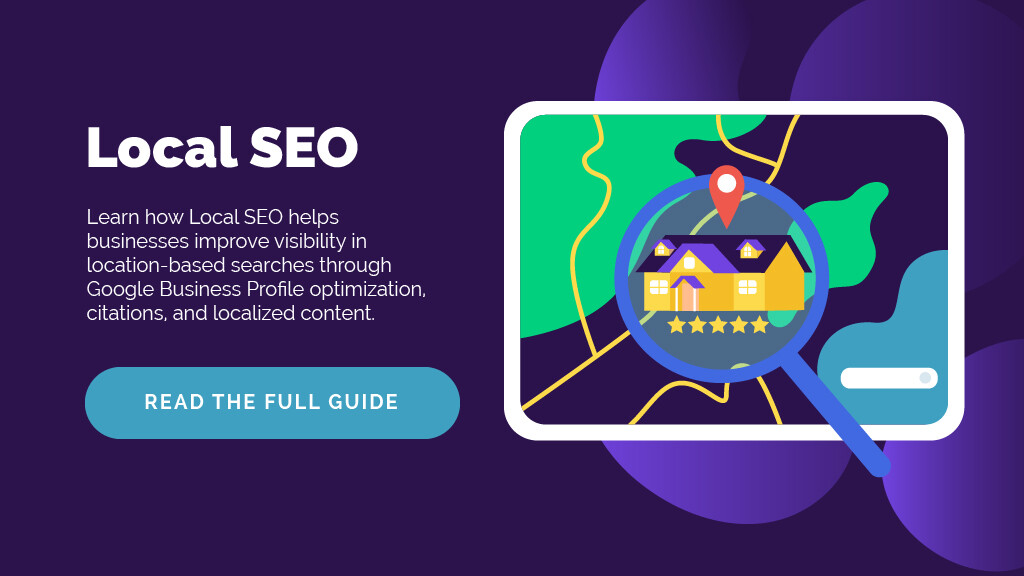
Every luxury retail location requires a fully optimized Google Business Profile. This includes accurate NAP (Name, Address, Phone) information, current hours, high-quality photography of the space and product, and active review management.
Google Business Profile optimization improves visibility in local searches made by high-intent buyers near your boutiques. A buyer searching for luxury menswear near a specific landmark or neighborhood should find your location appearing prominently, with enough visual and informational richness to validate the visit.
Review management on your Google Business Profile is particularly important for luxury brands. Affluent consumers carefully research reviews, and a single unaddressed negative review can carry disproportionate weight. Responding to reviews with the same care and professionalism your staff brings to an in-person interaction is not optional. It’s brand management.
Location-Based Content
For luxury brands with boutiques across multiple cities or countries, location-specific content creates SEO opportunities that generic product pages cannot serve.
A page for “Louis Vuitton Dubai Mall” serves a completely different search intent than a product page for a specific bag. It captures buyers planning a visit, researching what’s available in a specific market, or checking opening times before travel.
Creating substantive, location-specific content — describing the boutique environment, the exclusive services available, the edit of products stocked in that location, and the surrounding context (adjacent restaurants, hotels, cultural institutions) — builds both local search visibility and the kind of editorial richness that luxury audiences value.
The Future of Luxury Fashion SEO: AI and Search Trends
The search landscape is evolving rapidly, and luxury fashion brands need to be positioned for where it’s heading.
AI Search and Generative Results
Google’s AI Overviews are now appearing for an increasing share of queries, including fashion and luxury research queries. These generated summaries draw from authoritative content across the web and present answers directly in the search results, sometimes without a click.
For luxury brands, this creates both a challenge and an opportunity.
The challenge: if AI Overviews summarize information about your brand, they may draw from sources other than your own content: third-party reviews, editorial opinions, or competitor comparisons. Without the right foundation, you lose control of your narrative in AI-generated search results.
The opportunity: brands that invest in authoritative, well-structured content on their own domain are significantly more likely to be cited as sources in AI-generated results. The structured data you implement, the expert editorial voice you establish, and the authoritative links you earn all contribute to whether AI systems treat your content as a credible source.
Side Note: AI systems evaluate content using E-E-A-T signals (Experience, Expertise, Authoritativeness, Trustworthiness) more explicitly than earlier algorithms did. For luxury fashion, this means that author credentials, brand authority signals, and verifiable factual content all contribute to whether your brand appears in AI-generated search surfaces.
Visual Search and Social Search
Pinterest Lens, Google Lens, and Instagram’s visual search capabilities are creating new search surfaces that are particularly relevant for fashion.
A shopper who photographs a look they admire can visually search for similar items. This means image SEO, structured product data, and visual content quality are becoming search ranking factors that go beyond traditional metadata.
Luxury brands whose visual content is well-structured, high-quality, and technically accessible to image-search crawlers are building a competitive advantage in a search surface that will only grow in importance.
Building Visibility Without Compromising Prestige
Luxury fashion SEO is not a contradiction in terms. It’s a craft.
The brands that execute it well are not the ones that apply generic e-commerce SEO frameworks to a luxury context. They’re the ones that understand how their customer searches, what their customer values, and how to express their brand identity in search with the same precision they bring to every other touchpoint.
That means editorial content of genuine quality. A keyword strategy that prioritizes brand alignment over volume. Technical foundations that make a complex, visual website fast, accessible, and properly structured without sacrificing beauty. Local search presence that connects digital discovery to physical boutique visits. Digital PR relationships that generate the right kind of authority from the right kind of publications. And brand protection in search that ensures no third party fills the space your brand name occupies.
The luxury market rewards patience and precision. So does well-executed SEO.
If you’re running an enterprise luxury fashion brand and looking for an SEO partner that understands both the craft of search and the discipline of premium brand management, SEO Sherpa works with brands that require exactly that level of sophistication.
Book a free discovery call with our team and let’s discuss what a luxury-appropriate SEO strategy looks like for your brand.






















Leave a Reply