

Summarize This Article With AI
 Try with ChatGPT
 Try with Claude
 Try with AI Mode

If you’ve ever hesitated when you saw a 6- or 12-month SEO contract, you’re not alone.
Most businesses don’t worry about doing SEO. They worry about being locked in.
About paying for something that “might” work. About committing long-term in a world where budgets shift, priorities change, and someone somewhere once promised page-one rankings in 30 days and absolutely did not deliver.
That hesitation makes sense. SEO contracts have earned a bit of a reputation over the years.
But here’s the uncomfortable truth. SEO contract length is not about trapping clients. It’s about protecting outcomes.
Search engine optimization is a long-term strategy by design. It relies on compounding gains across technical SEO, content creation, keyword research, and link building. When that process is cut short, the work doesn’t just pause. It often unravels. Momentum stalls. Rankings soften. Organic traffic plateaus or drops. And the investment you did make never gets the chance to pay off.
In this article, we’re going to break down what a typical SEO contract length really looks like, why SEO takes time to deliver measurable results, and what actually happens when SEO is stopped too early. No scare tactics. No agency fluff. Just a realistic look at how SEO works, why timeframes matter, and how to evaluate contracts without feeling boxed in.
Article Summary
- What a typical SEO contract length looks like and why most SEO agencies recommend 6 to 12 months
- Why search engine optimization takes time, from indexing and rankings to authority building
- What really happens when SEO efforts are cut short or paused too early
- How a 12-month SEO engagement typically unfolds and why results accelerate over time
- The difference between short-term SEO contracts and long-term growth strategies
- What to look for in an SEO contract so expectations, reporting, and flexibility are clear
What Is a Typical SEO Contract Length?
Most SEO contracts sit somewhere between 6 and 12 months, and that’s not an arbitrary number pulled from an agency hat. It’s tied directly to how search engine optimization actually works in the real world.
In the SEO industry, a contract is simply a formal agreement that outlines the scope of SEO services, reporting cadence, KPIs, and responsibilities on both sides. It exists to set expectations, not to lock anyone into a bad relationship. In fact, most professional SEO agencies include termination clauses, notice periods, and flexibility options for exactly that reason. The goal is accountability, not captivity.
So why does contract length matter so much in SEO?
Because SEO results don’t happen in isolation. A proper SEO campaign touches technical SEO, on-page optimization, content creation, keyword research, and link building. Each of those components builds on the last. Shorter contracts often only allow time for diagnosis and groundwork, not for the compounding gains that actually drive organic traffic and rankings.
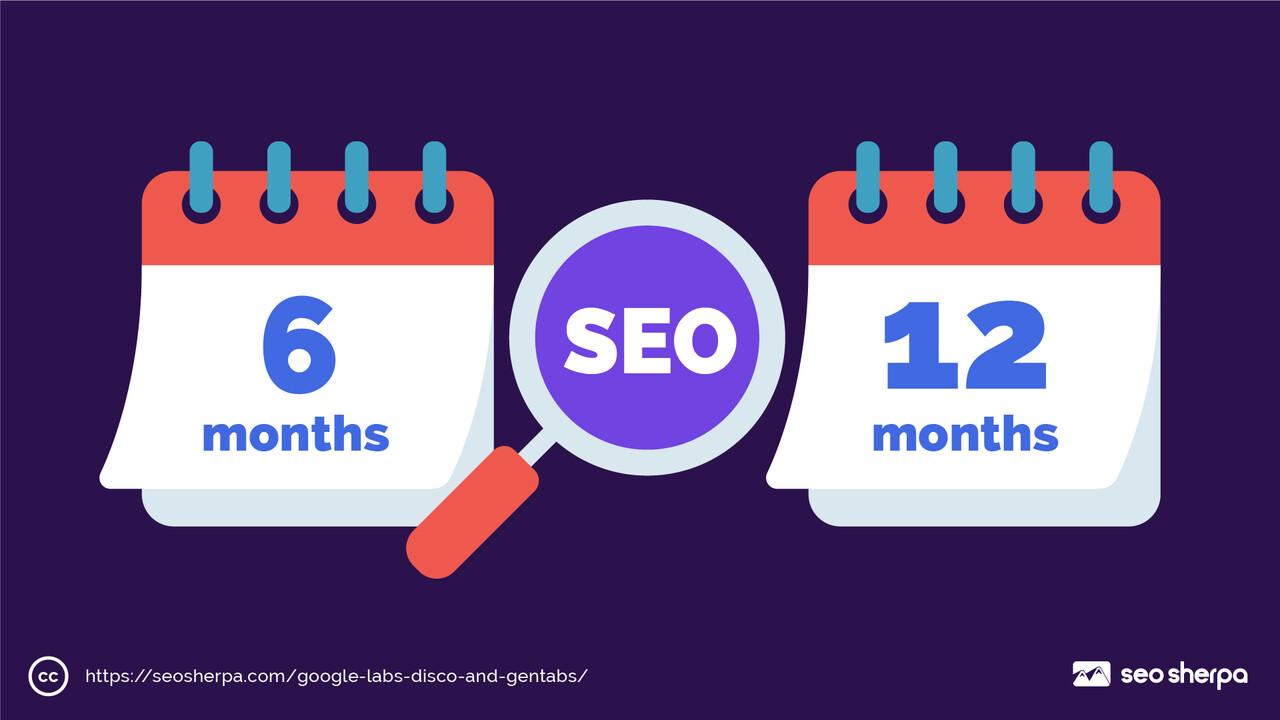
For most businesses, a 6-month SEO contract is the minimum viable window to see early traction. This is where technical fixes are implemented, content starts getting indexed, and search engines begin to reassess the site. A 12-month SEO contract allows that foundation to mature. Rankings stabilize. Authority grows. SEO efforts start delivering measurable results that are easier to attribute to revenue and business goals.
You’ll also see variations like month-to-month SEO, rolling contracts after an initial term, or no contract SEO services. These can work in very specific situations, such as local SEO for low-competition markets or short-term testing phases. But they come with trade-offs. Month-to-month arrangements often lack strategic continuity, and no contract SEO services can push agencies toward quick wins instead of sustainable growth.
One important thing to understand is that contract length is usually influenced by several factors. The current health of the website, whether it’s a new site or an established one, the competitiveness of the industry, and the scope of the SEO project all play a role. High-competition markets or national campaigns often require longer horizons, sometimes 12 months or more, to deliver the desired results.
In other words, longer SEO contracts aren’t about agencies protecting their business model. They’re about aligning the timeline with how search engines actually crawl, index, and reward websites over time.
Next up, we’ll dig into why SEO takes time to deliver results and what’s really happening behind the scenes while everyone is waiting for rankings to move.

Why SEO Takes Time to Deliver Results
This is the part of the SEO contract conversation where expectations either get set properly or quietly go off the rails.
Search engine optimization is not a switch you flip. It is a long-term strategy built on compounding signals. When an SEO agency asks for a six or twelve-month contract length, they are aligning the agreement with how search engines actually evaluate, trust, and rank websites.
To understand why, you need to look at what is happening under the hood during an SEO campaign.
Google’s Indexing and Ranking Process
Before rankings can improve, search engines need to crawl, process, and understand your site. That alone takes time. Google does not instantly trust changes just because a new SEO contract is signed or a technical fix is pushed live.
New pages need to be discovered. Existing pages need to be re-crawled. On-page optimization, internal linking, and technical SEO updates all feed into how a site is interpreted by the search engine. Then those changes are weighed against competitors who are also investing in SEO efforts.
For new sites, especially, this process moves more slowly. A brand new website with no history has to earn its place in the index before it can realistically compete for search results. That is why most SEO companies will tell you upfront that new sites often need longer horizons to reach desired results.

Building Topical Authority and Trust
SEO is primarily a long-term investment because authority is earned, not assigned.
Keyword research and content creation help search engines understand what your site is about, but consistency is what builds trust. Publishing once or twice and stopping does not establish authority. Search engines look for patterns. They look for depth. They look for signals that suggest your site deserves to rank over others.
This is where contract SEO services often get misunderstood. The early months of an SEO project are about laying a strong foundation. Content clusters are built. Supporting pages are created. Internal links reinforce relevance. Over time, this work compounds into stronger rankings and more organic traffic.
Cut that process short, and the authority never fully materializes.

Link Building and Crawling Velocity
Link building is another reason SEO contract length matters.
High-quality backlinks do not appear overnight, especially not in competitive industries. A professional SEO services provider focuses on earning links gradually through content, outreach, and digital PR style placements. This improves crawling velocity and sends trust signals to search engines over time.
Shorter contracts often pressure agencies to chase quick wins instead of sustainable link growth. That might produce temporary movement, but it rarely delivers long-term SEO results that most businesses actually want.
This is why many SEO agencies design contracts that start at twelve months and later roll into month-to-month agreements. The early phase is time-consuming and strategic. The latter phase is where measurable results accelerate, and performance becomes easier to maintain.
In short, SEO takes time because trust takes time. And no SEO contract, no matter how flexible, can shortcut how search engines evaluate authority, relevance, and consistency over the long term.
Next, we will look at the real risk of stopping SEO too early and why cutting a contract short often does more damage than people expect.

The Risk of Stopping SEO Too Early
This is the uncomfortable truth most businesses only learn after the fact.
Stopping an SEO campaign too early does not pause progress. It often reverses it.
SEO work builds momentum quietly. Technical fixes, content creation, keyword research, and link building stack on top of each other. When you cut that process short, you do not just stop future gains. You interrupt signals that search engines were only just starting to trust.
And search engines are not sentimental.
The “Cliff Effect” Most Businesses Do Not Expect
One of the biggest surprises for new clients is how quickly rankings can soften when SEO efforts stop mid-cycle.
Pages that were improving may stall. Rankings that were climbing may drift. Organic traffic can flatten or dip. Not because the SEO strategy was wrong, but because it never had time to mature.
Search engines reward consistency. When content creation slows, link building stops, and technical SEO maintenance disappears, competitors who kept investing simply move ahead. In competitive industries, even a short pause can be enough to lose ground you spent months earning.
This is especially true for SEO campaigns built around long-term growth rather than quick wins.

Wasted Foundation Work
The early phase of an SEO project is the most work-heavy and the least visible.
That phase often includes site audits, technical SEO fixes, on-page optimization, content planning, and restructuring internal links. It is strategic groundwork. It is not flashy. And it is absolutely essential.
Ending an SEO contract before that foundation has time to pay off is like paying for architectural plans and walking away before the house is built. The value exists, but it never gets realized.
This is why many SEO companies warn against shorter contracts that end before meaningful SEO results can materialize.
Missed Compounding Gains
SEO growth is not linear.
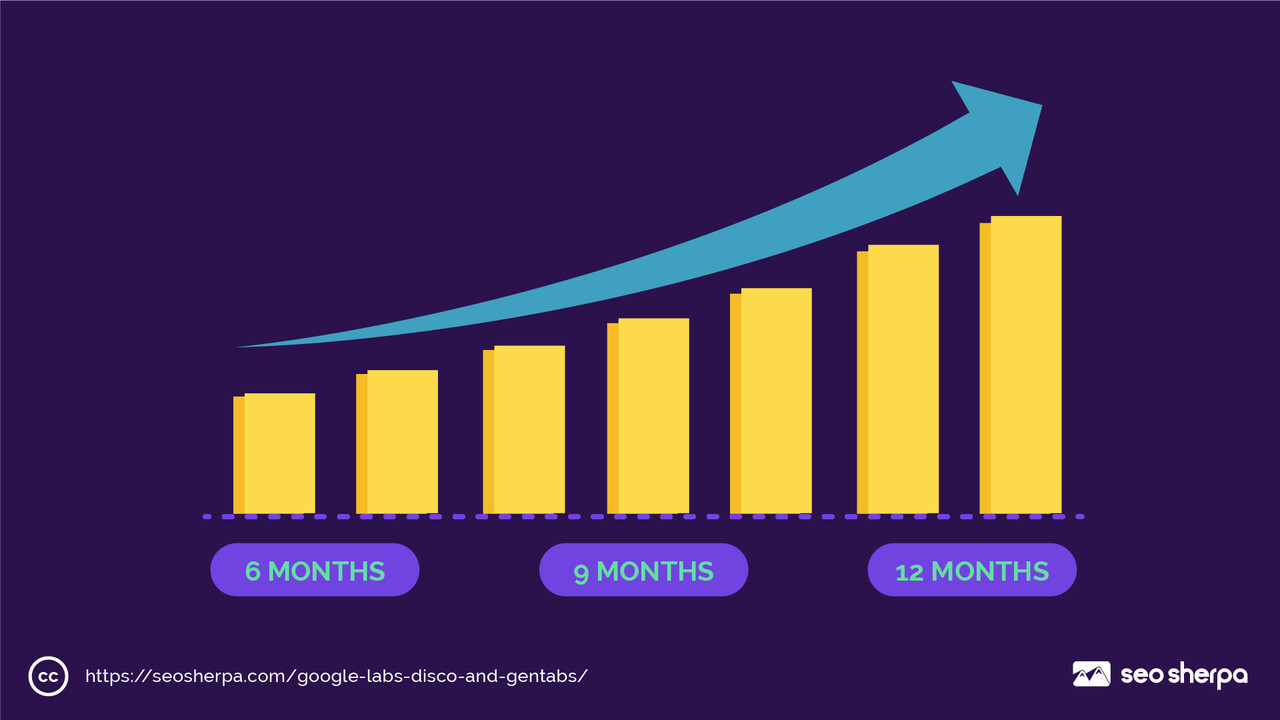
Most organic traffic gains happen later in the timeline, not at the beginning. Rankings typically start to improve around the four to six-month mark. Stronger performance often shows between months nine and twelve. That is when content starts ranking for secondary keywords, links compound, and search engine trust solidifies.
Stopping SEO early means you absorb the cost of setup without benefiting from the compounding return.
For businesses chasing a quick fix, this can feel frustrating. For businesses thinking in terms of long-term strategy, it is simply how SEO works.
The False Economy of Short-Term Thinking
Month-to-month SEO services can make sense in certain situations. Tight budgets. Temporary pauses. Internal restructuring.
But repeatedly starting and stopping SEO is one of the most expensive patterns in digital marketing. Each restart means re-auditing. Rebuilding momentum. Re-establishing trust signals. All of that costs time and money.
Most SEO agencies recommend longer contract lengths not to lock clients in, but to protect them from this exact cycle.
SEO is a long-term partnership with search engines. Ending it too early does not save money. It usually delays success.
Next, we will break down what actually happens during a 12-month SEO engagement and why results tend to accelerate later, not sooner.
What Happens During a 12-Month SEO Engagement
One of the biggest misunderstandings around SEO contract length is the assumption that results arrive in neat, monthly chunks.
They don’t.
SEO results arrive in waves. And those waves get bigger the longer you stay in the water.
A 12-month SEO engagement is not about dragging things out. It is about giving each stage of the SEO strategy enough time to do its job properly so the work compounds instead of resetting.
Here is how that typically plays out.
Months 1–3: Foundation and Fixes
The first few months of an SEO contract are heavy on work and light on visible wins.
This is where most SEO agencies focus on technical SEO, on-page optimization, keyword research, and site-wide fixes that remove friction for search engines. Think crawlability, indexing issues, site speed, internal linking, content gaps, and foundational SEO strategy.
For new sites, this phase is even more critical. Search engines need to understand what the website is about, how pages relate to each other, and whether the site meets baseline quality signals. For established sites, this is often where years of accumulated SEO debt get cleaned up.
This phase rarely delivers instant ranking spikes. What it does deliver is a strong foundation that makes future SEO work far more effective.

Months 4–6: Authority and Content Expansion
This is where momentum starts to build.
By this point, technical issues have been resolved, content creation is underway, and keyword targeting becomes more focused. Blog posts, service pages, and supporting content begin to rank for long tail queries. Internal linking strengthens topical relevance. Link-building efforts start to show early signals.
Organic traffic often begins to lift during this stage, particularly for lower competition keywords. Search results may fluctuate as search engines test your pages, but that volatility is a good sign. It means your SEO campaign is being noticed.
For many businesses, this is when SEO starts to feel “real.”

Months 7–12: Compounding Gains and Optimization
This is where SEO earns its reputation as a long-term growth channel.
Content that ranked on page two begins moving to page one. Pages start ranking for multiple related keywords rather than just a single target term. Link building compounds. Domain authority strengthens. Conversion optimization becomes part of the SEO strategy rather than an afterthought.
This is also where SEO efforts shift from building to refining. Improving click-through rates. Updating existing content. Strengthening internal links. Expanding pages that already perform well.
Most meaningful SEO results happen here. This is why shorter contracts often feel disappointing. They end just as the flywheel starts spinning properly.
A well-structured long-term SEO contract is not about paying for time. It is about staying long enough for the strategy to mature.
No-Contract vs Short-Term vs Long-Term SEO Contracts: What You’re Really Choosing
This is where most SEO contract conversations get emotionally charged.
Nobody likes feeling locked in. Especially not when SEO can feel opaque, technical, and slow to show results. So it is completely natural for businesses to ask for no-contract SEO, month-to-month terms, or very short engagements.
The problem is not that these options exist. The problem is what they actually enable behind the scenes.
Let’s break it down honestly.
No-Contract SEO: Maximum Flexibility, Minimum Continuity
No-contract SEO services are increasingly popular, and on the surface, they sound ideal. Full flexibility. Walk away any time. No long-term commitment.
In practice, no-contract SEO often creates pressure for quick wins. Agencies know they are being evaluated every single month, so effort naturally shifts toward visible activity rather than long-term impact. Quick content pushes. Shallow keyword targeting. Light link building. Lots of reporting. Not much compounding.
That does not mean no-contract SEO is bad. It can work well for very specific use cases like local SEO in low-competition markets or short-term validation of an agency’s communication and process.
But for national or competitive SEO campaigns, no-contract SEO rarely allows a real SEO strategy to take shape.
Short-Term SEO Contracts: A Foot in the Door, Not a Growth Engine
Short-term SEO contracts, typically three to six months, sit somewhere in the middle.
They offer more structure than month-to-month arrangements and allow agencies to execute foundational SEO work properly. Technical SEO fixes, keyword research, early content creation, and initial link building can all happen within this window.
The issue is timing.
SEO results usually begin to materialize around the six-month mark. Ending an SEO contract at that point often means you pay for the hardest work and leave just as the results start accelerating.
Short-term contracts are useful for audits, migrations, recovery projects, or proof-of-concept work. They are rarely sufficient for sustained growth.
Long-Term SEO Contracts: Strategic Continuity and Compounding Results
Long-term SEO contracts, most commonly 12 months, are designed to match how search engines actually work.
SEO is a long-term investment focused on building authority, trust, and relevance over time. High-competition industries often require 12 to 24 months of consistent SEO efforts to achieve and hold strong rankings. Content creation, link building, and technical optimization all compound rather than reset.
This is also where reporting becomes more meaningful. KPIs are tracked over time. Trends become visible. SEO strategy evolves based on real performance data, not assumptions.
Many long-term SEO contracts transition into rolling agreements after the initial term, giving businesses both structure and flexibility once momentum is established.
The key takeaway is this: contract length should reflect business goals, not fear.
A good SEO agency uses contracts to set realistic expectations, protect both parties, and give the strategy enough time to work. Not to trap clients.
What to Ask Before Signing an SEO Contract
If contract length is the part that makes you uneasy, this section is your safety net.
A good SEO contract should not feel like a leap of faith. It should feel like a clearly mapped plan where you know what is happening, why it matters, and how success is measured. Whether you are speaking to an SEO agency, a new SEO firm, or comparing multiple SEO companies, these questions help separate confident operators from vague promises.

What’s Included Each Month?
This sounds obvious, but it is where most SEO contracts fall apart.
You should know exactly what your SEO services include on a monthly basis. That means clarity on technical SEO, on-page optimization, content creation, keyword research, and link building. If something is listed as “ongoing SEO work” without detail, ask what that actually means in practice.
Strong SEO agencies can explain how monthly SEO efforts ladder up to business goals, not just deliverables. You are not buying tasks. You are investing in a strategy.
How Will Success Be Measured and Reported?
Every SEO contract should define measurable results.
Ask how SEO results are tracked, which KPIs matter, and how often reporting happens. Organic traffic growth, ranking improvements, visibility in search results, and conversion metrics should all be discussed upfront. Tools may vary, but transparency should not.
If an agency avoids specifics here or leans too heavily on vanity metrics, that is a red flag.
What Happens If Priorities Change?
Business priorities shift. Budgets fluctuate. New products launch. Markets evolve.
Your SEO contract should explain how changes in scope are handled and whether you can pause, pivot, or reprioritize parts of the SEO campaign. Month-to-month flexibility inside a longer contract is often a sign of maturity, not weakness.
This is also where trust matters. Long-term SEO partnerships work best when both sides can adapt without resetting the entire strategy.
Who Owns the Work?
This one matters more than people realize.
All content, analytics data, links earned, and assets created during an SEO project should belong to your business. Full stop. A professional SEO agency will have no issue confirming this in the contract terms.
If ownership feels unclear, keep asking questions.
What Are the Exit Terms?
Even long-term contracts should have a clear termination clause.
Ask about notice periods, handover processes, and what happens if either party needs to step away. Contracts exist to protect both sides, not to trap clients into paying for work that is no longer aligned.
When an agency is confident in its SEO strategy and delivery, it is rarely defensive about exit terms.

Why SEO Sherpa Works on 12-Month Contracts (Especially in a Search Everywhere World)
This is the part we want to be very transparent about.
At SEO Sherpa, we work on 12-month SEO contracts by default. Not because we like long agreements, and definitely not because we want to lock anyone in, but because of the reality of how modern SEO actually works.
And in 2025, SEO is no longer just about Google rankings.
It is about Search Everywhere Optimization™.
Search Everywhere Means More Moving Parts Than Ever
When SEO was limited to a handful of blue links, shorter engagements could sometimes work. Today, search happens across traditional search engines, AI answers, social platforms, marketplaces, video, and brand mentions.
That means a single SEO campaign now touches multiple teams and disciplines at once.
Technical SEO, content creation, digital PR, link building, social SEO, analytics, and CRO do not operate in isolation. They rely on shared data, aligned goals, and coordinated execution across departments.
Even in well-resourced businesses, just getting everyone aligned can take weeks.

The First 12 Weeks Are Set Up, Not Performance
This is something most agencies do not say out loud.
In complex environments, especially enterprise or multi-market sites, the first 8 to 12 weeks are often about foundations rather than visible results. Audits, technical fixes, data cleanup, access approvals, content mapping, and internal alignment all happen here.
If there has been historic SEO work done before us, this phase often includes undoing damage. Cleaning up poor link profiles. Resolving conflicting strategies. Fixing technical debt. Resetting expectations.
None of that shows up as growth yet, but it is essential.
PR, Authority, and Trust Do Not Run on Your Timeline
Search Everywhere also means PR is no longer optional.
When digital PR is part of the strategy, timelines expand naturally. Journalists have editorial calendars. Publications have publishing windows. Relationships take time to build. Authority is earned, not switched on.
You cannot rush trust signals.
The same applies to building topical authority through content. Search engines and AI systems need time to observe consistency, relevance, and expertise across multiple touchpoints.
Why Six Months Is Often Too Early to Judge Performance
By the time you reach month three, data is still volatile. Rankings fluctuate. Traffic moves unpredictably. Early content starts indexing. Early links begin to register.
At six months, you finally start to see direction.
At nine to twelve months, momentum becomes measurable.
This is why judging an SEO campaign too early often leads businesses to stop just as compounding gains are about to kick in. You pay for the hardest work and never collect the upside.
A 12-Month Contract Protects the Strategy, Not the Agency
We use 12-month contracts because they give the strategy room to breathe.
They allow us to plan holistically, execute across channels, measure properly, and optimize based on real patterns rather than short-term noise. They also protect clients from the cycle of restarting SEO every few months and never reaching stability.
Once momentum is built, flexibility increases. Many clients move into rolling agreements after the initial term, with clarity, confidence, and data on their side.
Search Everywhere Optimization™ is not a quick fix. It is a system.
And systems need time to work.
SEO Needs Time, Not Tricks
If there is one takeaway from this entire conversation about SEO contract length, it is this:
Longer contracts are not about locking clients in. They are about giving SEO the time it needs to actually work.
Search engine optimization is cumulative. Every technical fix, every piece of content, every link earned, every authority signal built stacks on top of the last. Cut that process short, and you are not avoiding risk; you are resetting progress.
This is even more true in a Search Everywhere world.
When SEO spans Google, AI answers, digital PR, social platforms, and brand visibility beyond the SERP, timelines naturally expand. There are more inputs, more dependencies, and more moving parts. That complexity is not a downside. It is what makes the results sustainable.
A well-structured SEO contract should give you clarity, transparency, and protection. Clear deliverables. Clear reporting. Clear KPIs. Clear exit options if priorities genuinely change. What it should not do is promise shortcuts or quick wins that sacrifice long-term growth.
If an agency is willing to rush SEO, that should be the real red flag.
The right SEO partner will set realistic expectations, explain why timeframes matter, and build a strategy designed to compound, not just impress in month one.
If you want an honest conversation about timelines, expectations, and what SEO success realistically looks like for your business, we would love to help.
Book a free discovery call and let’s talk through your goals, your current setup, and whether a long-term SEO strategy actually makes sense for you.





















Leave a Reply