

Summarize This Article With AI
 Try with ChatGPT
 Try with Claude
 Try with AI Mode
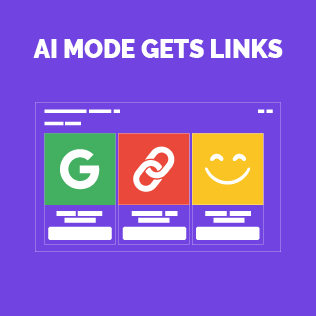
Wait, did Google just add links?
For months, publishers and SEOs have been side-eyeing Google’s AI Mode (formerly Search Generative Experience) and wondering the same thing: Where do the clicks go?
Early tests often showed AI answers with little more than a summary box and a tiny link cluster tucked away like a wallflower at the school dance. Great for the user who wanted an answer fast. Not so great for the site that actually produced the information.
But here’s the plot twist: Google is now adding more links.
That’s not speculation, it comes straight from Robby Stein, VP of Product at Google Search, who dropped the news in an X thread this week.
How does your website score? Get a free instant audit that will uncover the biggest SEO issues affecting your site, and how to fix them.
Article Summary
- Google is adding embedded link carousels to AI Mode answers on desktop (mobile coming soon)
- Inline links inside AI text are also being improved for clarity and accuracy
- Expect fluctuations in rankings and traffic as these updates roll out
- More links = more opportunities for publishers to earn visibility and clicks
- A step toward balancing user convenience with publisher sustainability
Embedded Link Carousels Hit Desktop
Here’s the big reveal. According to Stein, Google has now launched embedded link carousels in AI Mode responses on desktop.
Instead of links being crammed into a tiny section at the bottom, they’re now being surfaced in a horizontal carousel format right inside the AI answer. Think of it like Google saying, “Fine, we’ll stop hiding the good stuff behind the curtain.”
Mobile is next on the list. Stein confirmed that these same carousels will roll out soon for mobile devices—aka where the majority of search happens. That’s when things will get really interesting.
Inline Links Are Getting Smarter Too
But wait, there’s more. Stein also shared that Google is rolling out model updates to improve inline links—those little clickable citations sprinkled inside the AI-generated text itself.
If you’ve been frustrated by vague, unhelpful attributions (or worse, your brand name being scrubbed out of the spotlight), this is a step in the right direction. Better inline linking could mean more visibility for the publishers actually producing the content Google relies on to train its models.
Of course, Google being Google, they also warned us: expect fluctuations. As these updates roll out over the next few weeks, you may see traffic jump, dip, or wobble around like a toddler learning to walk.
Want to know if your content is showing up in Google’s AI Mode?
Our free SEO Grader will highlight the strengths (and gaps) in your site’s visibility. It’s the quickest way to check if you’re optimized for both traditional search and AI-driven results.
Why This Matters (And Why It’s Happening Now)
Let’s be real. Google doesn’t just wake up one morning and decide to hand out more clicks like Oprah handing out cars.
This shift likely comes from two forces:
- User behavior. If people aren’t finding what they need from AI Mode alone, Google has to make links more accessible. Otherwise, users will start hopping to competitors like Perplexity or even TikTok.
- Publisher backlash. Over the past few months, coverage about organic traffic declines has been everywhere—from industry blogs to mainstream outlets. With lawsuits looming and publishers sharpening their pitchforks, Google can’t afford to look like the bad guy hoarding traffic.
So yes, it’s good news for site owners—but it’s also a strategic move for Google to keep its ecosystem from breaking.
What This Could Mean for Your Traffic
Here’s the million-dollar question: will these new carousels and inline links actually drive measurable traffic to sites?
The optimistic view:
- More links = more visibility. A carousel of sources puts your site front-and-center in ways that were previously impossible in AI Mode.
- Inline links could build trust. If your brand is cited directly inside the AI text, users may be more inclined to click.
The cautious view:
- Carousels don’t guarantee clicks. Just because users see more links doesn’t mean they’ll interact with them—especially if the AI answer already satisfies their query.
- Fluctuations are inevitable. With Google actively tweaking the models, don’t assume day one results will stick around.
The truth is probably somewhere in the middle. Traffic may not skyrocket overnight, but this is a step toward balancing user convenience with publisher sustainability.

A Little SEO Perspective
Remember when featured snippets first launched? Publishers panicked, convinced clicks would disappear forever. And yes, some queries became zero-click zones. But snippets also created new visibility opportunities for sites that landed those spots.
AI Mode feels like déjà vu. It’s messy, it’s disruptive, and it’s forcing SEOs to rethink old playbooks. But with carousels and inline links expanding, the game isn’t over—it’s just evolving.
What You Should Do Now
Here’s how to get ahead of this shift:
Optimize for Citations, Not Just Rankings
AI Mode doesn’t always pull from the #1 result. It pulls from content that’s clear, authoritative, and structured in a way the model can understand. If your content is easy to quote, you’ve got a better shot at showing up in those inline links.
Track Your AI Visibility
Don’t just watch your organic traffic charts and panic at the dips. Tools like Surfer’s AI Tracker and others are starting to measure share of voice in AI results. Start tracking now so you can see whether these changes actually increase your presence.
Double Down on Brand Authority
If users see your brand name cited inside an AI answer, trust skyrockets. That means EEAT signals—expertise, authoritativeness, trustworthiness—matter more than ever. Links are one thing. Being recognized as the go-to source is another.
The Bottom Line
Google’s decision to add more links in AI Mode is undeniably good news for site owners. Whether it’s driven by user demand, publisher pressure, or both, the result is the same: more opportunities for visibility where it matters most.
Will it fully solve the “where did my traffic go?” problem? Probably not. But it’s a meaningful step toward making AI Mode less of a black hole and more of a bridge between users and the publishers providing the answers.
So, keep an eye on your data over the next few weeks. If Google’s tweaks play out the way Stein suggests, we could be heading into a new phase of AI search—one where links finally get the spotlight they deserve.
Want to know if your site is positioned to win in AI Mode? Book a free strategy session with SEO Sherpa and let’s make sure your brand isn’t just visible—it’s clickable.

















Leave a Reply