
Summarize This Article With AI
 Try with ChatGPT
 Try with Claude
 Try with AI Mode
If you’ve ever tried to decide where to eat in a new city, you’ll know the ritual.
Open the map.
Scan the reviews.
Compare menus.
Scroll through photos that somehow make every burger look like it belongs in a Michelin guide.
It’s equal parts research project and culinary roulette.
Google is now experimenting with a different approach.
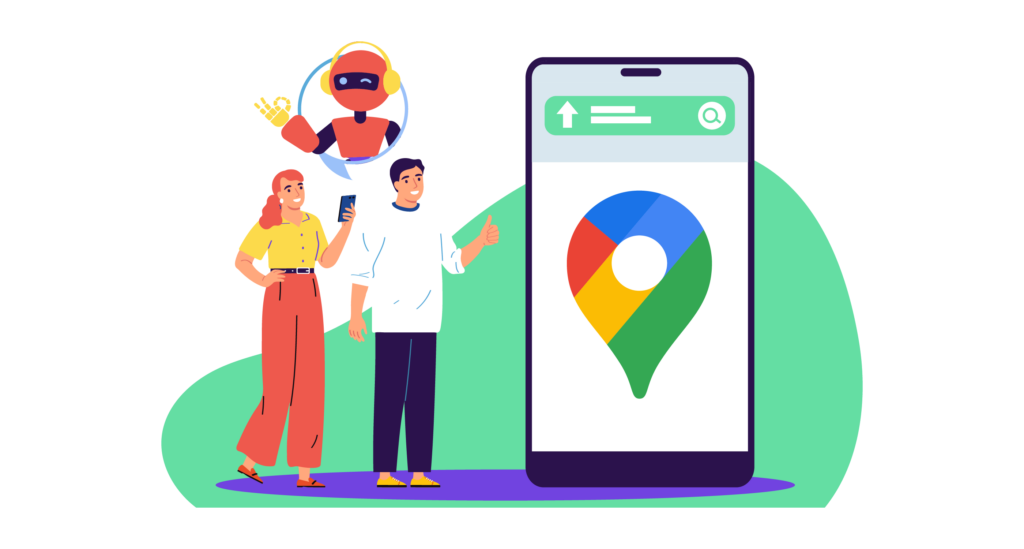
The company has introduced Ask Maps, a new AI-powered interface for Google Maps that uses Gemini to answer questions about local businesses, recommend places, and help users plan trips.
Instead of manually filtering results and reading dozens of reviews, users can simply ask a question.
“Where’s a good place for dinner near the waterfront?”
“Which cafés are good for working remotely?”
“Plan a three-day food tour.”
The system then generates suggestions based on local data, reviews, and maps information.
In other words, Maps is starting to behave less like a navigation tool and more like a travel concierge.
Article Summary
- Google has launched Ask Maps, an AI-powered interface within Google Maps.
- The feature uses Gemini to answer questions about local businesses and travel plans.
- Users can ask conversational questions instead of manually filtering map results.
- AI-driven recommendations could reshape how local discovery works.
Turning Maps Into A Conversational Guide
Maps has always been rich with information.
Business listings, reviews, photos, opening hours, and location data create one of the most detailed local datasets on the internet. But navigating that information has traditionally required manual exploration.
Ask Maps changes that dynamic.
Instead of scanning a map and piecing together insights yourself, the AI assembles recommendations based on the context of your question. It might identify restaurants with strong reviews for a particular cuisine, suggest attractions near your hotel, or help organize a multi-stop itinerary.
The interface feels closer to chatting with a knowledgeable local than browsing a directory.

The Next Evolution Of Local Search
Local discovery has already undergone several transformations over the years.
First came directories and listings. Then search engines layered local results into their pages. Later, review platforms added user-generated insights that helped people compare businesses.
Now AI is beginning to weave those signals together.
When a system can analyze reviews, location data, menus, and photos simultaneously, it becomes capable of generating recommendations rather than simply presenting options.
That’s a meaningful shift.
Instead of asking users to interpret information themselves, the AI begins to do that interpretation on their behalf.
The Map Is Becoming The Recommendation Engine
Maps has quietly become one of Google’s most powerful products.
It contains an extraordinary amount of structured information about the physical world. Restaurants, shops, hotels, landmarks, transportation networks—it’s all there, constantly updated by millions of users.
Adding an AI interface on top of that dataset is a logical next step.
When people travel, they rarely want raw information. They want guidance. They want someone—or something—to help them decide where to go and what to do.
Ask Maps starts to deliver that guidance directly.
And once that behavior becomes normal, the role of local search could change dramatically.
Instead of scrolling through lists of businesses, users may simply ask the map what they should do next.

The Real Takeaway For Marketers
AI interfaces are steadily transforming how people discover businesses, products, and information.
The brands that succeed will be the ones that build strong digital signals across the ecosystems these AI systems rely on—reviews, structured data, content, and customer engagement.
If you want to understand how to position your brand for visibility across AI search, local discovery platforms, and evolving recommendation systems, book a free discovery call with SEO Sherpa.
We’ll help you build a strategy designed for the next generation of search.





















Leave a Reply