

If paid ads are espresso, SEO is a slow-brewed coffee.
One gives you an instant jolt of visibility. The other builds momentum that keeps working long after you’ve stopped pressing buttons in the ad dashboard.
That’s the core difference between paid advertising and search engine optimization. Paid ads can drive traffic the moment you launch a campaign. SEO takes time because search engines need to crawl, evaluate, and trust your website before rewarding it with strong organic search results.
And while waiting can feel frustrating, that slower pace is exactly what makes SEO one of the most powerful long-term digital marketing strategies available.
In this guide, we’ll unpack why SEO takes longer than paid ads, and why that delay is actually the secret to sustainable growth.
Article Summary
- Paid ads deliver immediate results but disappear the moment you stop paying. Platforms like Google Ads buy instant visibility in search results, but that traffic vanishes when the ad spend stops.
- SEO takes longer because search engines must crawl, evaluate, and trust your site. Ranking improvements depend on factors like content quality, technical SEO health, link building, and user engagement signals.
- Unlike paid campaigns, SEO compounds over time. Each piece of optimized content contributes to long-term organic traffic and sustainable growth.
- The strongest digital marketing strategy combines both. Paid ads capture immediate demand while SEO builds long-term brand authority and a reliable growth channel.
The Speed Trap: Paid Ads = Instant Results, Temporary Visibility
Paid ads are the fastest way to appear in search results. Launch a campaign in Google Ads, set your targeting, choose your target keywords, and within hours, your landing pages can sit right at the top of the SERP.
Instant visibility. Immediate clicks. Quick data.
It’s the marketing equivalent of flipping a switch.
But here’s the catch: paid advertising works only while the meter is running. The moment the ad spend stops, the visibility disappears. Traffic drops. Leads dry up. And those once-prominent placements vanish like they were never there.
Which makes paid search incredibly powerful in the short term, but dangerously fragile as a long-term growth strategy.
How PPC Works
Pay-to-appear: instant placements.
With paid search, platforms like Google let businesses bid on the same keywords their customers are searching for.
The higher your cost per click and the better your ad relevance, the more often your ad appears at the top of the page. That’s why companies running aggressive paid campaigns can generate website traffic almost immediately.
For testing offers, launching a new product, or driving short-term demand, paid ads provide immediate results that SEO simply can’t match.
In fact, many marketers use paid campaigns specifically to test user intent, messaging, and keyword research before committing to a longer-term SEO strategy.
But there’s one fundamental rule of paid search that never changes.
You’re renting attention.
Your ads vanish the moment you stop spending.
Unlike organic search results, paid placements exist only as long as the budget lasts.
Pause the campaign, and the visibility disappears. Reduce your bids, and your ranking position drops. Stop paying entirely, and the traffic goes to zero.
It’s not an asset. It’s access.
And that access gets more expensive over time as competitors bid on the same highly competitive keywords.

Why It’s Not a Long-Term Strategy
Paid advertising absolutely has a role in digital marketing. It can drive immediate sales, support promotions, and generate early leads.
But relying on it alone creates a fragile growth model.
Rented Attention
Paid ads don’t build long-term brand authority. They simply place your message in front of people temporarily.
The platform owns the visibility. Not you.
Which means the moment you stop paying, your exposure disappears.
High CAC Over Time
As more competitors enter the auction, cost per click rises. Maintaining the same traffic often requires increasing ongoing costs and ad budgets.
Over time, your customer acquisition cost climbs while your dependency on paid traffic grows.
No Brand Equity Built
Paid traffic rarely compounds.
Unlike SEO efforts, which build organic traffic, authority, and rankings over time, paid ads reset every month. Every click must be bought again.
That’s why smart marketing strategies rarely treat SEO and paid as competitors.
They use paid ads for speed. And SEO to build the asset underneath.
Why SEO Takes Longer to Show Results
If paid ads are like renting a billboard on a busy highway, SEO is more like building the highway exit.
The billboard gets attention immediately. Drivers see it the moment it goes up.
But the exit? That takes planning, construction, permits, and a lot of invisible groundwork before the first car ever turns off the road.
Once it’s built, though, traffic flows through it every single day.
That’s the fundamental difference between paid search and search engine optimization. Paid ads buy instant placement in search results, while SEO builds the infrastructure that allows your site to earn organic search results over time.
And infrastructure takes time.
Search engines need to crawl your site, understand your content, evaluate your authority, and compare you to competitors already ranking for the same competitive keywords.
That process doesn’t happen overnight. But when it works, it creates sustainable traffic that keeps flowing long after the initial effort.
Search Engines Need To Trust You
Before your content can rank, search engines need to understand and trust it.
That trust is built through multiple signals: content quality, technical performance, authority, and how users interact with your pages.
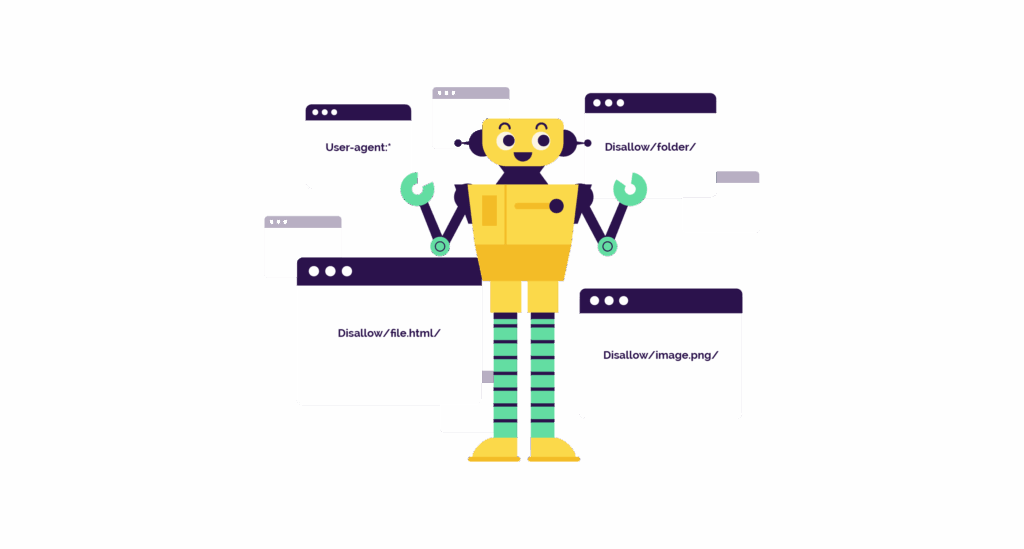
First, your site has to be discovered. Search engines send automated crawlers to scan your pages, analyze your site structure, and decide what should be indexed. This step alone can take days or weeks, especially for new websites.
Then comes evaluation.
Algorithms analyze ranking factors like relevance to user intent,internal linking, content depth, mobile friendliness, and technical elements such as site speed and technical optimization.
They also watch user behavior over time. If visitors bounce quickly or struggle to navigate the page, those signals can affect SEO progress.
In other words, SEO requires patience because trust isn’t given. It’s earned.
SEO Is Infrastructure, Not a Campaign
Many companies treat SEO like a campaign.
Launch some blog posts. Build a few links. Wait for traffic.
But sustainable SEO doesn’t work that way.
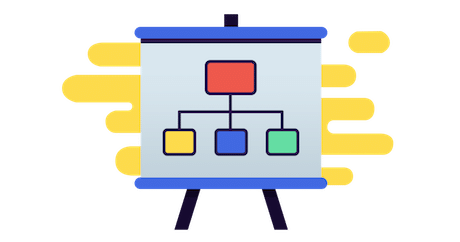
SEO is infrastructure. It’s the structural work that supports your entire organic search presence.
That includes fixing technical issues like broken links, improving site speed, strengthening internal linking, and ensuring your website is optimized for mobile optimization.
It also means building foundational content around your target keywords and investing in consistent content creation that aligns with user intent.
Then comes authority.
Through natural link building, brand mentions, reviews, and digital PR, search engines begin to recognize your site as a credible source in your space.
None of this happens instantly. But each improvement strengthens the overall foundation of your SEO strategy.
Organic Growth Is Compounding, Not Immediate
The reason SEO growth takes longer is the same reason it becomes so powerful.
It compounds.
Think of each optimized page as an asset.
At first, a new blog post might bring in a handful of visits from organic search. Over time, as it earns links, gains engagement, and climbs in the organic search results, that same page can drive thousands of visits per month.
Then the next page starts ranking.
Then another.
Soon, your website traffic isn’t coming from one page or one campaign. It’s coming from dozens, sometimes hundreds, of assets working together.
Momentum builds.
That’s why SEO results often accelerate after the first several months. Early work lays the groundwork. Later improvements unlock ranking improvements across the entire site.
In competitive industries, ranking for highly competitive keywords can take 12 months or longer.
But the payoff is worth it.
Because unlike paid traffic, organic traffic doesn’t vanish the moment you stop investing. It keeps generating leads, customers, and visibility long after the initial work is done.
That’s the quiet power behind long-term growth in search.
Search Everywhere Optimization™ = Slower Start, Bigger Reach
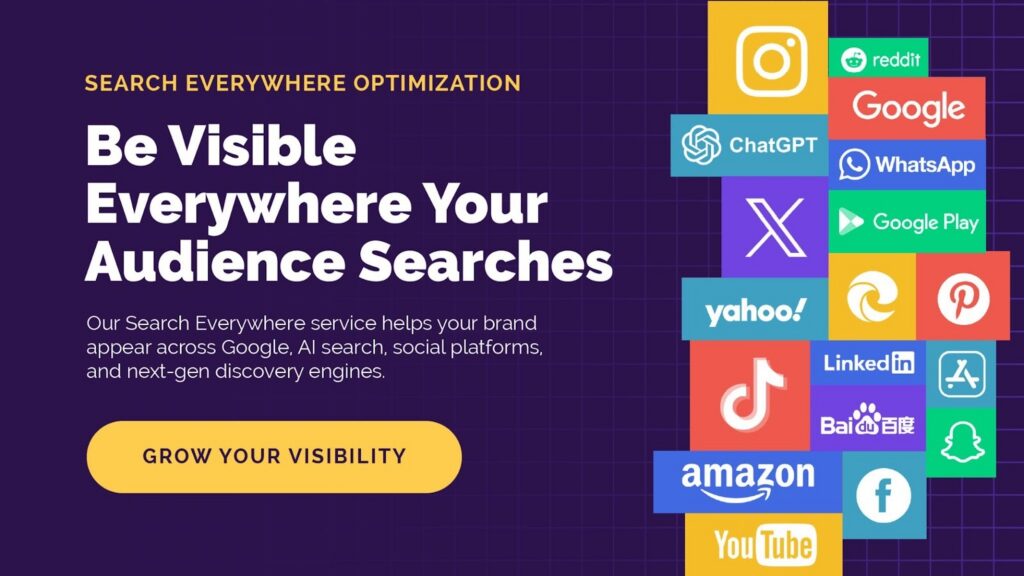
If SEO used to be about ranking in Google, Search Everywhere Optimization™ is about showing up wherever your audience is searching.
And these days? That’s… everywhere.
People still use traditional search engines, of course. But they’re also searching TikTok for tutorials, YouTube for product reviews, Reddit for honest opinions, LinkedIn for expertise, and increasingly, AI tools that summarize answers before you even click a link.
In other words, the modern organic search landscape looks less like a funnel and more like a spider web.
Which means building visibility now takes a little longer. Because you’re not just optimizing for one platform anymore.
You’re building presence across an entire ecosystem.
You’re Not Just Ranking in Google
Let’s be honest: the old model of search engine optimization was relatively straightforward.
Do your keyword research. Optimize a page. Earn some link building. Climb the search results.
Today? That’s just one piece of the puzzle.
A modern SEO strategy might involve:
- Publishing authoritative content that ranks in organic search results
- Creating videos that surface on YouTube or TikTok
- Earning mentions on Reddit threads or industry forums
- Building authority through LinkedIn thought leadership
- Appearing in AI-generated summaries inside the Search Generative Experience
Search behavior has fragmented across platforms. And smart brands are adapting their digital marketing strategies to match.
That’s exactly what Search Everywhere Optimization™ is designed to do.
It expands SEO beyond traditional rankings and into every place your audience might discover your brand.
Yes, including the places where people say they “don’t trust Google anymore.” (You know the ones.)
Multi-Channel Visibility Requires Strategic Layering
Here’s the part most marketers underestimate.
You can’t shortcut authority across multiple platforms at once.
Each channel has its own signals of trust.
YouTube rewards consistent video content and engagement.
Reddit favors authentic participation over obvious promotion.
LinkedIn amplifies credible expertise and original insights.
Meanwhile, traditional search engines still evaluate technical SEO, site structure, content relevance, backlinks, and user behavior signals.
That’s a lot of moving parts.
Which is why SEO growth in 2026 is less about quick wins and more about strategic layering.
You publish high-quality content. You promote it across channels. It earns mentions, links, and engagement.
Those signals reinforce each other.
Your content performs better in organic search results. Your brand gains authority across platforms. And over time, your visibility expands far beyond a single ranking.
It’s slower than launching a paid campaign, sure.
But it builds something much more valuable.
A durable, multi-platform presence that keeps driving traffic, earning trust, and supporting long-term brand authority.
Which, conveniently, is exactly what search engines — and humans — tend to reward.
But Isn’t Waiting Bad? Not If It’s ROI You’re After
Waiting feels uncomfortable in marketing.
Especially when paid ads can generate immediate results and start driving website traffic the same day you launch a campaign.
But speed and sustainability are rarely the same thing.
A campaign fueled entirely by paid search is like running a taxi meter on your traffic. Every click costs money. Every visit requires ad spend. And the moment you stop paying, the traffic disappears.
SEO works differently.
Yes, it requires an initial investment in technical SEO, content creation, and link building. And yes, SEO takes time before meaningful ranking improvements appear in the organic search results.
But once those rankings start to stick, something interesting happens.
Your cost of acquiring traffic starts dropping.
Month after month.
SEO = Lower CAC Over Time
With paid advertising, your cost per click determines how much traffic you can buy.
If your CPC is $10 and you want 1,000 visits, you’ll spend $10,000.
Want another 1,000 visits next month?
You’ll spend the same $10,000 again.
That’s the nature of paid campaigns. Traffic resets every billing cycle.
SEO behaves more like an asset.
Invest in content creation, technical optimization, and natural link building, and your pages begin generating organic traffic without paying for every visit.
The first few months of an SEO campaign often feel slow. Search engines are crawling your pages, evaluating ranking factors, and measuring engagement signals before granting stronger visibility.
But over time, the math changes.
That blog post you published six months ago might now be driving hundreds of monthly visits. The one you wrote a year ago could be generating thousands.
Unlike paid search, those visits don’t require ongoing cost per click payments.
That’s why SEO eventually becomes one of the most cost-effective digital marketing strategies available.
You’re not renting traffic.
You’re building a system that keeps producing it.
Your Competitors Already Started
There’s another uncomfortable truth about SEO timelines.
While you’re deciding whether to invest, your competitors probably already have.
Remember: SEO results accumulate over time.
Every piece of optimized content, every backlink earned through natural link building, every improvement to site structure, mobile friendliness, or site speed contributes to a site’s overall authority.
That’s why industries with highly competitive keywords often require 6-12 months or more to see strong SEO progress.
Not because SEO doesn’t work.
But because your competitors have been building their authority for years.
In saturated markets, overtaking established sites requires consistent effort in content creation, technical optimization, and authority building.
The longer a company invests in SEO, the stronger its position becomes.
This creates a compounding advantage.
Sites that started earlier gain more authority. More authority leads to better organic rankings. Better rankings generate more organic traffic.
And that traffic fuels even more growth.
So yes, SEO takes time.
But the real risk isn’t that SEO is slow.
It’s that every month you delay investing in it gives your competitors more time to pull ahead.
When You Combine SEO + Paid Ads, You Get the Best of Both
At this point, some marketers fall into a familiar trap.
They assume the choice is SEO or paid ads.
But the smartest digital marketing strategies don’t treat them as competitors. They treat them as teammates.
Because the reality is simple: paid ads deliver speed, while search engine optimization builds staying power.
Paid campaigns can generate immediate results, test messaging, and drive early leads. Meanwhile, your SEO efforts quietly build authority, visibility, and organic traffic in the background.
That’s why the most effective growth strategies combine SEO and paid ads rather than choosing between them.
You get momentum now. And long-term growth later.
Short-Term Wins + Long-Term Moat
Think of paid search as your accelerator.
Need traffic this quarter? Launch Google Ads, bid on target keywords, and drive visitors directly to optimized landing pages.
Paid campaigns are incredibly useful for:
- Testing new offers
- Validating user intent
- Driving signups for promotions or launches
- Generating leads while your SEO campaign gains traction
They’re fast, flexible, and measurable.
But speed alone doesn’t create defensible growth.
That’s where SEO comes in.
While paid ads generate short-term demand, search engine optimization builds the underlying asset that continues generating organic search traffic long after the initial work is done.
Over time, your site accumulates authority through content creation, technical SEO, internal linking, and link building. Pages climb the search results, and traffic begins arriving without paying for every click.
This is where the real advantage appears.
Your organic results start handling demand that would otherwise require ongoing ad spend.
And suddenly, your marketing engine becomes much more efficient.
Channel Diversification Is Risk Reduction
There’s another reason smart companies combine channels.
Relying on one traffic source is risky.
Algorithms change. Cost per click rises. Platforms evolve.
Businesses that depend entirely on paid advertising often discover how fragile that strategy is the moment ad spend becomes too expensive to sustain.
On the flip side, companies relying only on SEO can struggle when they need rapid visibility for a product launch or time-sensitive campaign.
A blended approach solves both problems.
Paid ads provide the flexibility to scale quickly and capture immediate demand.
SEO builds a durable foundation that generates sustainable traffic and strengthens long-term brand authority.
Together, they create a balanced growth system that captures users at every stage of their buying journey.
Immediate discovery through paid search. Trusted authority through organic search results.
And a digital footprint that continues expanding over time.
The Verdict: SEO Is Slower Because It’s Smarter
If paid ads are about speed, search engine optimization is about durability.
Paid campaigns can generate immediate results. Launch an ad, set your target keywords, and traffic starts flowing. But the moment the ad spend stops, so does the visibility.
SEO works on a different timeline because it’s building something far more valuable.
Trust.
Search engines evaluate your content, your technical SEO, your site structure, your backlinks, and how users engage with your pages. Over time, those signals accumulate into authority. And that authority is what drives stable organic search results.
Which means SEO success doesn’t just create traffic.
It creates leverage.
A well-executed SEO strategy builds a library of content that continuously drives organic traffic, strengthens long-term brand authority, and supports sustainable growth across multiple channels.
And in today’s world of fragmented discovery, that visibility extends well beyond Google.
Through Search Everywhere Optimization™, strong content can surface in YouTube results, Reddit discussions, AI-generated summaries, LinkedIn feeds, and traditional search engines all at once.
That’s the real reason SEO takes longer.
You’re not simply buying clicks.
You’re building a digital presence that compounds over time, expands across platforms, and keeps generating value long after the initial work is done.
Great marketing campaigns drive traffic.
Great SEO changes your trajectory.
Want to See How Fast We Can Make SEO Work for You?
If you’re serious about building sustainable traffic, stronger organic search visibility, and a marketing engine that keeps delivering results long after campaigns end, it’s time to invest in the right SEO strategy.
At SEO Sherpa, we help brands accelerate SEO growth through a combination of technical optimization, strategic content creation, and authority-building link building that drives measurable ranking improvements.
Here’s how to get started:
Book a discovery call to discuss your business objectives and growth goals.
Because while SEO requires patience, the sooner you start building your foundation, the sooner your organic traffic begins compounding.
And that’s when the real growth begins.










Leave a Reply