


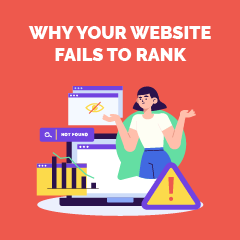
Let’s be honest.
You didn’t build a website so it could sit quietly in a dark corner of the internet, doing nothing but costing money. You built it so people would find you, choose you, and buy from you.
So, when you Google your business… and discover that page 7 is your permanent residence?
Yeah, that stings.
You tweak some keywords. You publish a blog post. You check Google Search Console like a toxic ex checking WhatsApp last seen.
Still nothing.
Here’s the truth that no generic SEO checklist will tell you:
Ranking on Google isn’t just about “SEO” anymore. It’s about being discoverable everywhere people search:
Search behavior has changed dramatically, and Google’s ranking factors have evolved with it. If your website isn’t showing up in search results, it’s not because Google hates you. It’s because something in your digital ecosystem isn’t speaking the search engine’s language.
And when Google can’t understand you, iit simply chooses someone else.
Article Summary
By the end of this article, you’ll know:
- The most common technical SEO issues blocking visibility
- Why content quality and search intent mismatch = ranking graveyard
- How internal links help Google make sense of your web pages
- Why duplicate content tanked your credibility overnight
- What Google search rankings actually reward in 2026
- How Search Everywhere Optimization™ drives organic traffic
- A few tips to fix the trouble ranking faster
- When calling in pros is the best business decision you’ll make
Because ranking higher isn’t magic. It’s math, strategy, and consistent SEO efforts that make sense for today’s multi-platform search reality.
And we’re going to walk through all of it together.
Technical Issues Affecting Ranking
If a website launches online and Google can’t crawl it… does it even exist?
Not to search engines.
You could have the best content in the world, but if search engine crawlers can’t reach it, understand it, or load it fast enough, your ranking chances drop faster than a marketer’s mood when someone says, “We just need more keywords.”
This is where technical SEO becomes the backbone of your visibility.
Because Google isn’t going to send users to a site that looks broken, loads like dial-up internet, or forces people to pinch-zoom like it’s 2010.
Here’s what typically causes trouble:
- Crawl errors: Google tries to visit a page and gets told, “Sorry, we’re closed.” It leaves. It forgets you exist. Pull up Google Search Console and check whether bots are actually getting in the door and indexing your web pages.
- Loading speed slower than a Monday brain: Page speed is a ranking factor. If your largest image weighs more than your firstborn or scripts are fighting in the background, users bounce. And Google notices. Tools like PageSpeed Insights and Core Web Vitals reveal where the lag lives.
- Missing or messy metadata: Your title tag and meta descriptions are like the packaging on a luxury product. Without clear messaging, the right keywords, and proper formatting, your click-through rate tanks, and search engine results pages assume you’re not worth the promotion.
- Mobile-unfriendly design: Most users discover brands from mobile devices now. If your site doesn’t fit their screen, doesn’t load quickly, or comes with buttons so tiny that they require surgical precision, Google moves you behind competitors who actually respect thumbs.
- Broken internal links and orphan pages: If your pages don’t connect to each other, search engines assume they aren’t important. Internal links matter. They help crawlers and humans navigate… ideally, without 404 landmines.
- No structure, no schema, no clarity: Search engines don’t just read. They interpret. Structured data helps them understand the difference between a blog post and a product, a location page and an FAQ. Without clarity, your rankings stay chaotic.
- Images without alt text: These are not only terrible for accessibility but also strip Google of context clues. Images need descriptions so they work harder for your SEO, not just your design ego.
Technical SEO isn’t glamorous.
It doesn’t trend on TikTok.
But it’s the difference between being indexed and being invisible.
Bad news: These issues block rankings.
Good news: They’re fixable. Often faster than you think.
And here’s where the Search Everywhere Optimization™ twist comes in:
If your site loads poorly or breaks on mobile, AI search tools and assistants will choose other websites as better candidates to recommend. LLMs want high-quality content and a high-quality user experience.
If your UX screams 2014 template… they will absolutely ghost you.
Technical issues are the silent SEO killers.
Fix them, and suddenly everything else becomes a lot easier.

Content Quality and Optimization
Let’s get one thing straight: Google does not rank websites.
It ranks answers.
That means your content has a simple job: to be the best answer to a search query.
If someone searches for “how to fix a dripping tap” and your blog post spends three paragraphs talking about your company’s history before offering any actual help, Google will bury you. Users will bounce. Your search engine rankings will drop faster than motivation on a Monday morning.
Here is the uncomfortable truth:
Most websites do not have a ranking problem.
They have relevance and quality problems.
Search engines evaluate content based on whether it satisfies search intent. If someone wants a fast answer and your page wanders off-topic like a toddler in a supermarket, Google notices. Your site visitors notice, too. Neither will stick around long.
Strong content is not about word count. It is about clarity, usefulness, expertise, and trust. And in 2026, all of that takes on a new dimension.
Search Everywhere Optimization™ has changed the game.
People no longer just read articles. They watch videos, scroll social posts, and ask AI assistants for direct answers. When someone asks, “Who offers X near me?” or “What is the best solution for Y?”, search engines and AI models select the most credible and helpful content across all platforms. They look at how complete the content is, whether the brand shows up consistently, and if the experience feels reliable and professional.
If your content is thin, outdated, or stuffed with keywords like a Thanksgiving turkey, you are signaling low quality. Google search results will not reward it. AI search will ignore it. And users will choose whichever competitor respects their time and attention.
Then we have the silent killer of SEO: duplicate content.
It confuses search engine crawlers.
When Google sees two or more pages saying the same thing, it struggles to decide which one deserves to rank. Often, the final answer is neither. Authority becomes diluted. Ranking suffers.
Content optimization is also essential. Google needs strong signals.
- Title tags tell search engines the topic.
- Meta descriptions help earn the click.
- Internal links show how content connects.
- Image alt text gives context.
- Keyword optimization helps match search behavior.
This is where many brands go wrong. They create content for themselves rather than for the audience they want to attract.
Quality content should make your visitor feel like you read their mind. Give them what they came for. Then give them what they did not know they needed.
You do not need a mountain of blog posts. You need content that clearly earns its spot on the first page.
Once your content begins doing that job, your website will finally start climbing Google rankings instead of sitting quietly in search engine results limbo.
Internal Linking and Structure
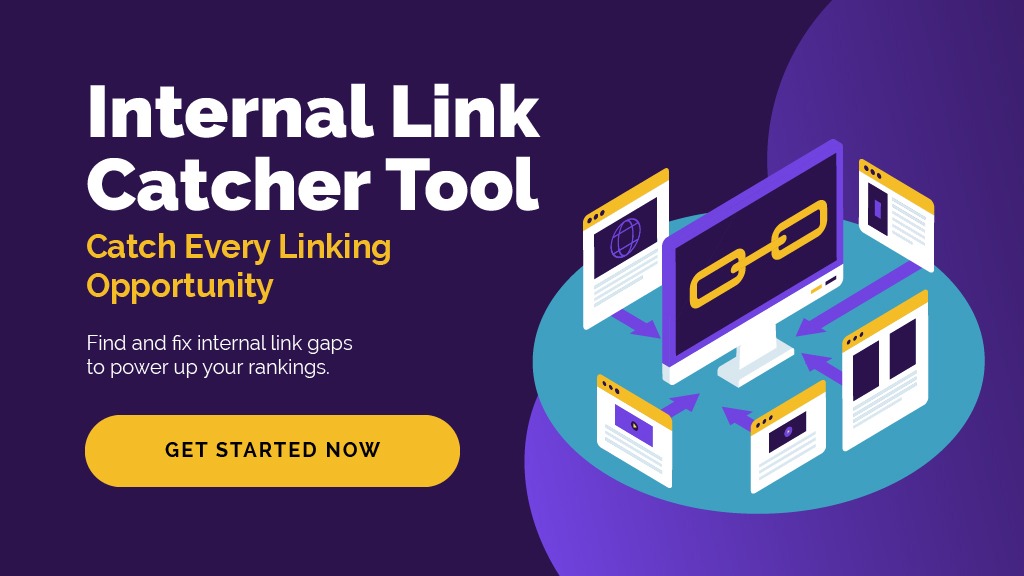
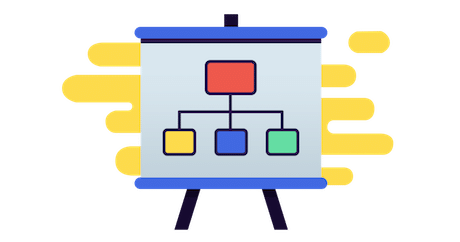
If technical SEO is the foundation of your house, internal linking is the floor plan. It tells both users and search engines how to move through your content without getting lost or frustrated. When your website structure makes sense, Google feels confident recommending your pages. When it feels like a maze with trap doors and dead ends, Google sends traffic elsewhere.
Think of internal links as quiet navigators. They guide visitors deeper into your website, help them discover related information, and make sure no important content becomes hidden in the dark. They also help search engine crawlers understand your topics, your hierarchy, and which pages deserve to rank higher because they carry the most relevance.
If your website has orphan pages (pages that are not linked to from anywhere else), Google sees them as unimportant. It might crawl them once and then forget they ever existed. This means your most valuable content could be invisible simply because nothing points to it.
A strong internal linking strategy makes your content work together instead of fighting for attention. It helps distribute authority across your web pages so that your high-performing content can lift newer pieces up with it. It gives search engines clear signposts about which topics you want to be known for and which pages should show up in the search engine results page when people look for your target keyword.
Anchor text matters, too. If every link says “Learn more,” your site is not giving Google any meaningful signal. But if your link text naturally includes relevant keywords, search engine crawlers instantly understand what the destination page is about.
Website structure plays a huge role. If your navigation is confusing or your categories are messy, search engines and users struggle to understand what belongs where. A clean structure leads to better crawlability, better engagement, and better rankings. A chaotic one leads to confusion, pogo sticking, and ranking drops.
This is also where sitemaps come in. A submitted sitemap tells Google what exists, what matters, and how everything connects. It is like handing over a beautifully organized directory instead of saying, “Good luck, find it yourself.”
Internal linking might not feel exciting, but it has a real impact. It increases session duration. It signals topical authority. It moves visitors closer to conversion. And more importantly, it gives Google and AI-powered search tools the clarity they need to favor your site over others.
Because if neither humans nor search engines can navigate your website, it will not rank higher. It does not matter how great your content or design may be.
Clear journeys create strong rankings.
Confusing paths create invisibility.
Google Search and Rankings
If Google were a person, its job would be judging every website on the internet and deciding who deserves the spotlight. Brutal, but fair. When someone types a question into the search bar or speaks it into their phone or asks an AI assistant, “Who is the best option near me,” Google has to decide which content will make that user think, “Perfect, that is exactly what I needed.”
Your website is constantly being evaluated for that moment.
Google’s index is essentially a giant digital library of web pages. When Google crawls your site, it tries to understand what each page is about and how useful it will be for real people. It uses ranking signals to figure out if you should appear on the first page or whether you should be somewhere deep in the results, where only lost souls and desperate marketers go.
And here is the tricky part. Those ranking signals evolve all the time. Algorithm updates can shift what matters overnight. One week you rank number three, the next you drop to page five because your competitor improved their content quality, earned stronger backlinks or aligned better with search intent.
Sometimes, rankings drop for good reasons. Other times, they drop for weird reasons.
Welcome to SEO.
Visibility is also no longer limited to blue links on a search engine results page. Google now favors featured snippets, People Also Ask boxes, map listings, video results, and knowledge panels. TikTok and Instagram posts frequently outrank websites for discovery searches. AI models pull information from authoritative content across multiple platforms and recommend whoever seems most credible.
If your business only focuses on traditional organic search results, you are playing a very small piece of a very big game.
Google wants websites that users trust, stay on, and engage with. It wants content that gives direct answers and solves problems quickly. It rewards brands that consistently show up with depth. And it uses signals from across the web to decide if that brand deserves attention.
Your rankings move up when Google believes the following:
- Your content is the most helpful answer.
- Your pages are easy to access, explore, and understand.
- Other websites show confidence in you by linking to you.
- Users respond well once they land on your site.
- Your credibility is reinforced everywhere search happens.
When those things are true, your visibility grows. When one or more fall apart, your rankings fall apart, too.
It is not personal. It is the algorithm doing its job.
The goal is to make sure your content is the obvious choice. Not just for one keyword. Not just for one channel. For every search moment that matters.
Because ranking on Google is not luck.
It is the outcome of a strong search strategy that respects how people actually look for answers today.
Duplicate Content and Publishing
If you have ever wondered why your site is not ranking on Google, duplicate content might be one of the sneakiest reasons. Google wants to index web pages that provide direct answers, relevance, and something unique. When multiple pages on your site say the same thing, just rearranged a little, you are not reinforcing your message. You are competing with yourself in Google search results.
Search engines have a simple goal: show the best piece of content for each search query. If two or more of your pages look identical in intent, Google crawlers have a decision to make. Which one deserves to rank higher? And, quite often, the answer becomes neither. This is where website owners often see sudden trouble ranking and cannot figure out why.
Duplicate content can come from innocent decisions:
- Reusing a service page template for a new location
- Copying a blog post to update it, but leaving the old version live
- Publishing thin articles targeting competitive keywords just for the sake of publishing content
Google’s index does not reward volume. It rewards value. And quality content that is written for your target keyword always outperforms multiple pages that vaguely mention the same topic in slightly different words. If search intent is the same, one page needs to win. The others need to be redirected, consolidated, or improved.
Meta tags can also cause confusion. If your title tag and meta descriptions repeat the same search terms on every page, search engines may assume there is nothing fresh to offer. Keyword stuffing makes it worse. You could be harming your website’s SEO performance before you even get a click.
Publishing content for the sake of checking off a task on your project management software does not help, either. Search behavior has advanced. People and search engines expect high-quality content. They expect keyword optimization that feels natural. They expect user engagement and value. They expect new and useful information that does not already exist online.
And here is where it gets even more interesting. AI-based search experiences and featured snippets reward topical authority. They look for one strong page that provides a full, structured, up-to-date answer. If you dilute authority across multiple pages instead of building one perfect resource, your ranking signals become weaker.
So, what should you do?
- Audit your existing blog posts and landing pages.
- Merge or redirect pages that overlap in purpose.
- Refresh outdated information.
- Use canonical tags if a duplicate must exist temporarily.
- Strengthen internal links to your primary resources.
This is how you elevate your site’s visibility. This is how you begin ranking higher for competitive keywords. This is how you simplify crawling, indexing, and clarity for Google.
Your content should make sense. Not fight against itself.
Website owners often blame technical issues or link-building gaps, but the answer is sometimes simpler: You have too many pages saying the same thing. Fixing that can unlock organic traffic far faster than you think.
First Page Visibility: Why Google Chooses Your Competitor Instead
Everyone wants to rank on the first page of Google. It feels like the digital equivalent of getting invited to the VIP area. You get the visibility. You get the clicks. You get the conversions. Meanwhile, page two is where content goes to quietly collect dust.
But landing on page one of Google search results does not happen just because you want it. It happens when Google trusts your content enough to place it in front of searchers who are ready to take action.
Google does not simply reward content that exists. It rewards content that demonstrates expertise, authority, and a clear understanding of search intent. When someone searches for a target keyword, Google evaluates whether your blog post or service page will genuinely help the user find what they came for. If search engines believe there are other sites with more valuable content, more user engagement, more high-quality backlinks, and more search behavior signals, then those pages take the top spots.
And here is a truth many website owners do not like to hear.
Sometimes, the reason you are not ranking higher is that someone else is doing the job better.
It could be that competitors are publishing stronger content marketing assets. Maybe they have a cleaner on-page SEO structure. Maybe their link-building is focused and not spammy content. Maybe they optimized their meta descriptions, page speed, mobile-friendly layout, and schema markup first. Maybe their internal links help search engine crawlers interpret their site faster. Maybe they earned a featured snippet because they provide direct answers instead of vague promises.
Ranking on Google is a competition.
There are only 10 blue links on page one.
If you are not one of the best, you are not invited.
Modern search results also include People Also Ask boxes, map listings, video carousels, and AI-powered answer cards. Even if your site ranks well, you can appear so far below these features that users never scroll to you. This is why Search Everywhere Optimization™ matters. If your business only focuses on traditional organic search results, you are fighting a battle with blinders on.
Someone might discover your business because:
- Your local listings show up in the map pack.
- Your reviews influence trust and visibility.
- Your video ranks for a search term on TikTok or YouTube.
- An AI assistant selects you as the best provider nearby.
- Other websites cite and link to your expertise.
Google has hundreds of ranking factors. Some are obvious. Some are mysterious. All are designed to serve the most credible answer as fast as possible.
So if you are not ranking on the first page yet, it does not mean the game is over. It means it is time to improve your website’s SEO efforts with a strategy that reflects how people actually search today.
Better content, stronger authority, frictionless user experience, and a brand that shows evidence of trust.
Google will give you the spotlight when you have earned it. And when you are ready for it.
The Fix Is Clear: Diagnose. Prioritize. Improve. Grow.
If your website is not ranking on Google, it is not because you are unlucky. It is not because your industry is too competitive. It is not because SEO “does not work anymore.” It is because something in your digital ecosystem is not aligned with how people search today.
Ranking higher is not a quick fix. It is a series of smart, strategic improvements that build authority over time. It addresses technical SEO problems that block crawling. It is producing high-quality content that satisfies search intent. It is creating internal links that guide users and search engines. It is removing duplicate content, so you are not competing against yourself. It is building a reputation and presence across every platform where people look for answers.
SEO is no longer a channel. It is your entire digital footprint working together.
Organic traffic comes from AI answers, social discovery, local listings, review sites, YouTube results, and of course, traditional search engine results pages. If you want to rank higher, you need to show up as the best option everywhere a potential customer might search.
You can absolutely reach the first page. You can outrank competitors who have held those spots for years. You can build trust and visibility that compounds over time. You just need a strategy that makes sense for how search actually works now.
You do not have to do this alone.
You should not do this alone.
Your time is better invested where you excel.
Let us take care of the SEO issues while you focus on running your business.
If you are ready to turn your website from invisible to undeniable:
Book a free discovery call, and let’s get your business ranking where it deserves to be.














Leave a Reply